Leaderboards
  Become a Member
  Shop
Shop  Trade In
 quick coaching
How to Shoot Lower Scores: 5 Lessons From Women's Open Champions
By Brendon Elliott, PGA
Published on
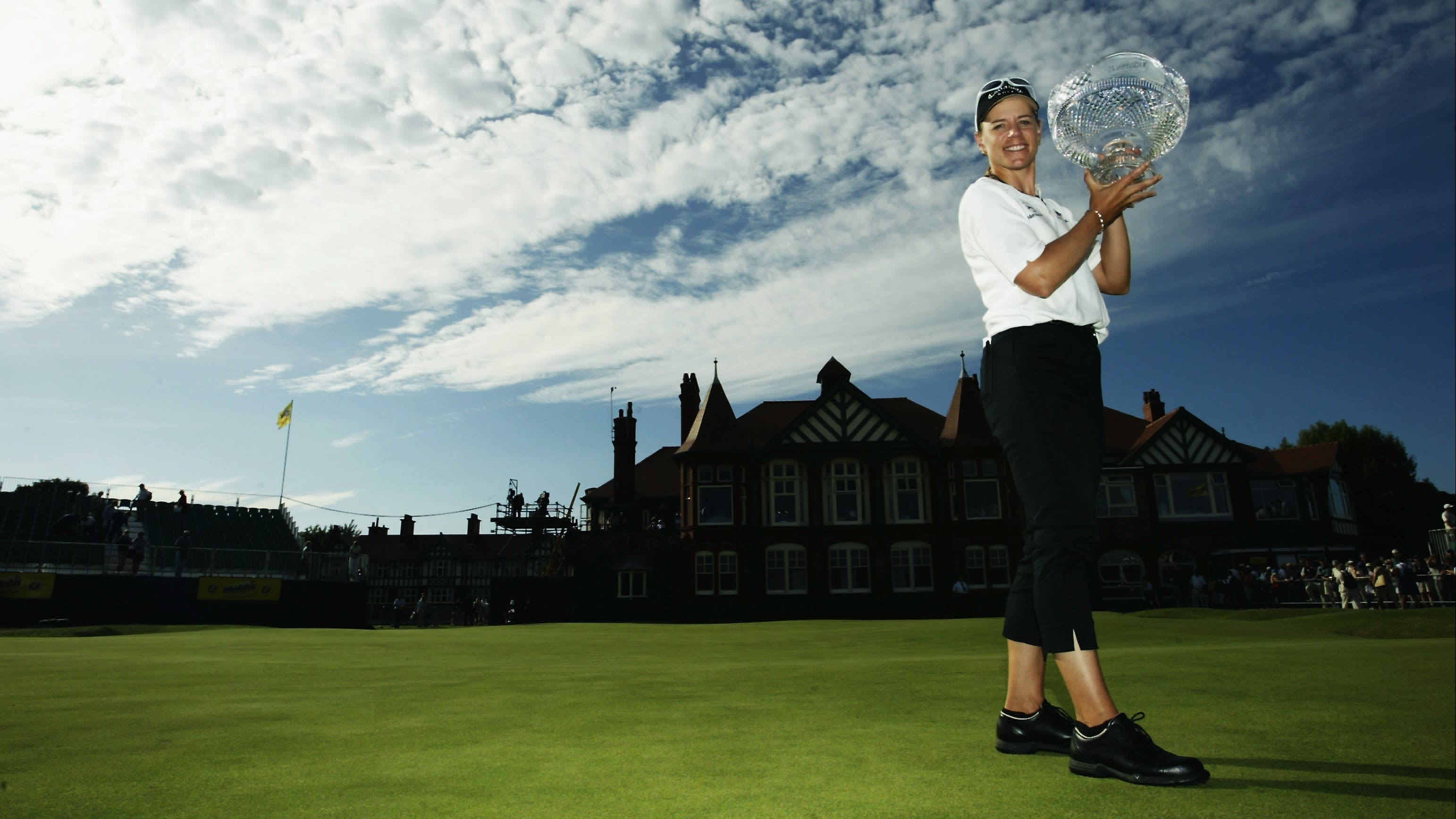
The AIG Women’s Open celebrates its 50th staging this week at Royal Lytham & St Annes, a venue that rewards clear decisions and dependable execution. The championship’s history also gives everyday golfers five very different models to study.
Annika Sorenstam won at Royal Lytham in 2003. Karrie Webb captured the championship three times at three distinct venues. Lorena Ochoa led from the opening round through the finish at St Andrews. Inbee Park closed with a 65 at Turnberry, while Lydia Ko survived difficult weather and a crowded leaderboard at the Old Course.
This matters to everyday golfers because none of the following ideas requires a swing overhaul. Each drill trains a task that appears in nearly every round: hitting one fairway, adapting to a lie, controlling a chip, starting a putt and finishing when one shot matters.
Annika Sorenstam: Make One Drive Count
Sorenstam and Se Ri Pak reached Royal Lytham’s 72nd tee tied for the lead in 2003. Pak found a fairway pot bunker, while Sorenstam hit what she later described as one of the best drives of her career. Sorenstam made par, Pak made bogey and the victory completed Sorenstam’s career Grand Slam.
Most golfers practice drivers in rapid succession. The course never gives you that luxury.
- Pick two range targets that create a fairway about 25 yards wide.
- Hit one driver and record a fairway or miss.
- Put the driver away and hit two iron or wedge shots before using it again.
- Repeat until you have hit six drives. Your goal is four fairways.
In lessons, I see players improve when every drive becomes a separate event. On the course, choose the window before stepping in and judge the shot only by whether it finished inside that window.
Karrie Webb: Change the Plan When the Lie Changes
Webb won this championship at Woburn, Sunningdale and Turnberry. Winning on three different courses is a useful reminder that good golf is not one stock shot repeated everywhere.
Try this three-lie approach challenge:
- Place one ball on a clean lie, one in the first cut and one in light rough, all between 80 and 120 yards from the same target.
- Read each lie before selecting the club.
- Hit one ball from each position, changing the club or landing plan when necessary.
- Score one point for every shot finishing on the green or inside a 30-foot circle. Play three rounds and try to earn six of nine points.
The skill being trained is not perfection. It is noticing when the lie has changed the shot before you swing. Use the drill before playing a course with unfamiliar turf or rough.
Lorena Ochoa: Let the Trail Hand Teach the Chip
Ochoa led the 2007 Championship at St Andrews from the ninth hole of the opening round through the finish. Ochoa has shared a trail-hand-only chipping exercise designed to preserve the angle between the trail wrist and club shaft through impact.
Here is how I would turn that concept into a simple practice station for everyday golfers:
- Use a pitching wedge and place five balls on a clean lie.
- Set slightly more pressure into the lead foot.
- Grip the club with the trail hand only and hit five chips from 10 yards off the green.
- Add the lead hand and hit five more, recreating the same wrist structure, turf brush and chest rotation.
The ball should launch low to medium without feeling punched. Stop if the motion becomes a slap with the hand. I use this when a player’s thin and heavy misses begin appearing together.
Inbee Park: Score Midrange Putts Two Ways
Park’s final-round 65 at Turnberry secured the 2015 title and her seventh Major Championship.
Her putting record makes the 10-to-15-foot range an appropriate place to build a measurable practice station.
- Place five balls around the hole from 12 feet.
- Create a two-foot circle around the cup with tees.
- Hit each putt while holding the finish until the ball reaches the hole.
- Award two points for a make, one for a miss that stops inside the circle and zero for anything outside it.
Play two rounds for 10 putts. A score of 12 or better is the first benchmark. This format rewards both the start line and usable speed. A putt does not have to fall to provide good feedback.
Lydia Ko: End Practice With One Closing Test
Ko stood on the 17th tee in a four-way tie for the lead at St Andrews in 2024. She navigated the Road Hole, birdied the 72nd hole to move ahead and ultimately won by two strokes.
Too many practice sessions end when the bucket is empty. Instead, make the final sequence count.
- Hit one driver into a defined fairway window.
- Hit one 7-iron into a green-width target.
- Move to the putting green and hit one six-foot putt.
- Give yourself one point for each successful shot. Two of three passes. No second attempts.
This closing test takes only a few minutes, but it changes the way a player finishes practice. You must make a decision, accept one opportunity and live with the result.
Great champions do many things exceptionally well, but improvement does not require copying an entire career. Select the drill that addresses the shot costing you the most strokes.
Simple work, measured honestly, remains one of the best ways to build a game that holds up.
PGA of America Golf Professional Brendon Elliott is an award-winning coach and golf writer. Read his recent “The Starter” on R.org and his stories on Athlon Sports. To stay updated on his latest work, sign up for his newsletter and visit OneMoreRollGolf.com.