Golf Travel
  Leaderboards
  Become a Member
  Shop
Shop  Trade In
 quick coaching
Playing Golf in the Heat Part 1: Prepare Before the First Tee
By Brendon Elliott, PGA
Published on
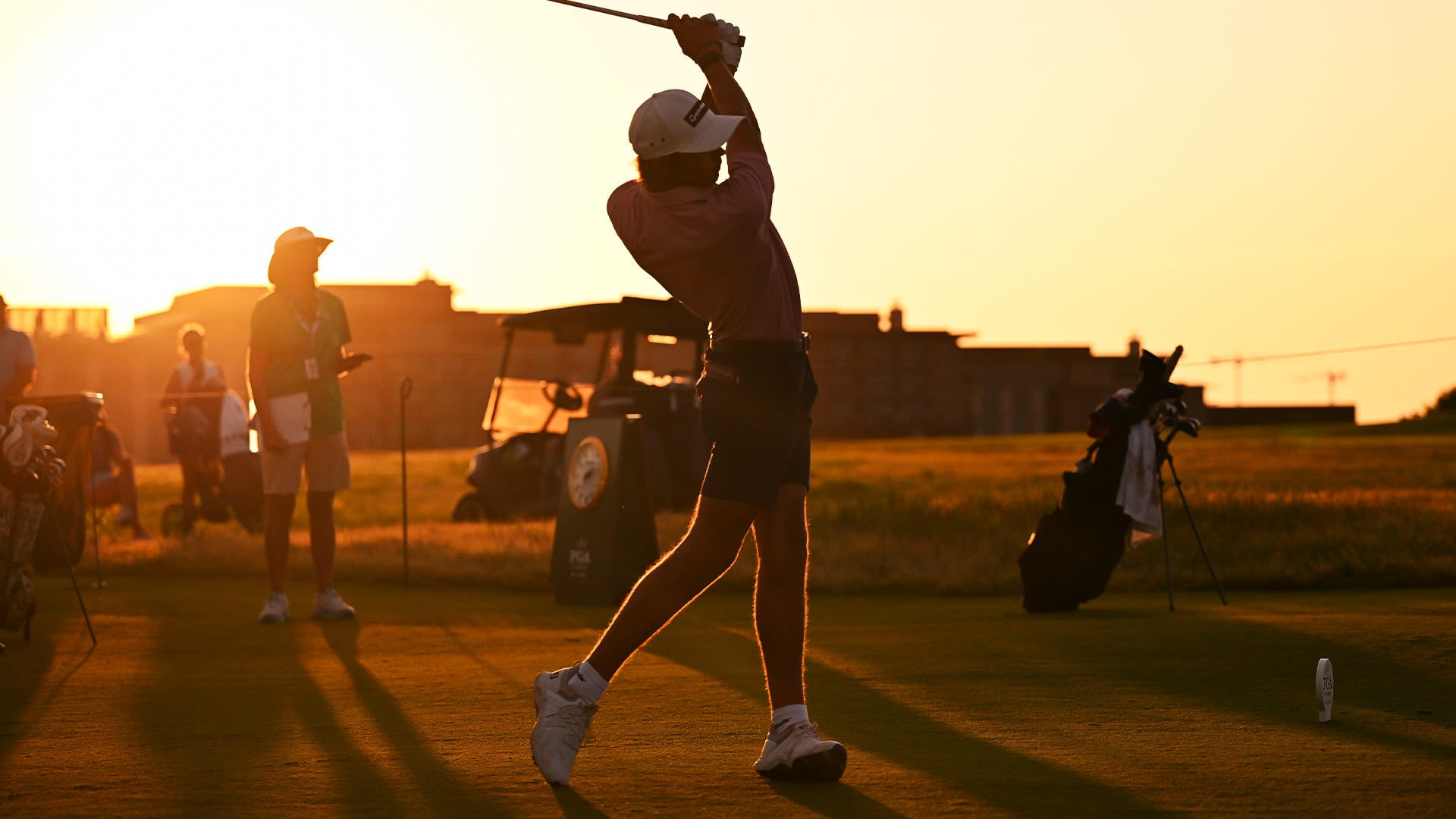
After nearly 30 years of teaching golf in Florida, I have seen plenty of players lose a round to the heat without realizing what was happening.
It rarely begins with anything dramatic. The golfer stops talking. The walk back to the cart gets a little slower. A player who normally makes quick decisions starts staring into the bag, unsure which club to pull. Then comes the line I have heard more times than I can count: “I’m fine. I just need to get through a few more holes.”
That is when the heat has already worked its way into the round.
Golfers are trained to battle. We grind through bad swings, ugly lies and stretches when the scorecard is not cooperating. Heat is different. Pushing harder is not always the answer, and waiting until you feel thirsty, weak or lightheaded is a poor plan.
The smartest hot-weather round begins before you reach the course.
Know What You Are Signing Up For
An early tee time helps, but it does not remove the risk. A round that starts at 7:30 a.m. can still finish close to noon, especially if the course is crowded.
Before leaving home, check more than the temperature:
- Look at the heat index and expected humidity.
- Consider whether you will walk, push or ride.
- Find out where the course has water and shade.
- Think honestly about your recent exposure to hot conditions.
- Give yourself permission to play nine or stop early.
That last point matters. Golfers sometimes treat finishing 18 as a test of character. It is not. On a severe day, taking a cart, shortening the round or moving the tee time is simply good judgment.
Your body also needs time to adjust. Someone who has spent several weeks working indoors should not expect to walk four or five hours in heavy heat without feeling it. Start with shorter practices, nine-hole rounds or a cart before building back toward a full walking round.
Do Not Start the Day Behind
I have watched golfers arrive with one bottle of water, no breakfast and the belief that the beverage cart will save them. That is not preparation.
Eat a normal meal before leaving home and begin the round already hydrated. Pack more fluid than you think you will need. Keep an easy snack in the bag, even if you do not normally eat while playing.
Once the round starts, use the course as your reminder. Take a few swallows on each tee instead of waiting until you feel thirsty. Keep the bottle where you can see it. Eat something around the fourth or fifth hole, then again near the turn.
For several hours of sweating, an electrolyte drink may be useful alongside water. Avoid making alcohol or high-sugar drinks your primary source of fluid. Golfers with medical conditions or medications that may affect heat tolerance should follow individualized guidance from a health care professional.
Use Shade Before You Need It
Shade is not only for the moment when you feel overheated.
Park the cart beneath a tree when possible. Stand under an umbrella while waiting in the fairway. Sit beneath the cart roof during a backup. Place a cool towel around your neck at the turn.
Those small breaks may not feel important at the time, but heat exposure builds across the round. I often see golfers stand in direct sun through every delay and later say the heat hit them “all at once.” It usually did not. It had been building for hours.
Know When the Round Is Over
Pay attention to the people in your group, not only yourself. Heat can affect judgment, which makes self-assessment less dependable.
Stop playing and move to a cool place if someone develops symptoms such as:
- Headache, nausea or dizziness
- Unusual weakness or heavy fatigue
- Muscle cramps
- Irritability or confusion
- Trouble walking steadily
Confusion, slurred speech, seizures or loss of consciousness can indicate heat stroke. Call 911 and begin rapid cooling while help is on the way.
No score is worth negotiating with those symptoms.
Golf is a game of managing risk. We play away from penalty areas, take enough club to cover trouble and accept that some shots are not worth attempting. Hot-weather golf deserves the same respect. The goal is not to prove how much discomfort you can tolerate. It is to make good decisions early enough that you can finish safely and still enjoy the game.