 Leaderboards
  Become a Member
  Shop
Shop  Trade In
 quick coaching
Commit to the Shot: A Key Golf Lesson From Gina Kim and Yana Wilson
By Brendon Elliott, PGA
Published on
Winning on the LPGA Tour is hard enough.
Winning with someone else beside you brings a different kind of pressure.
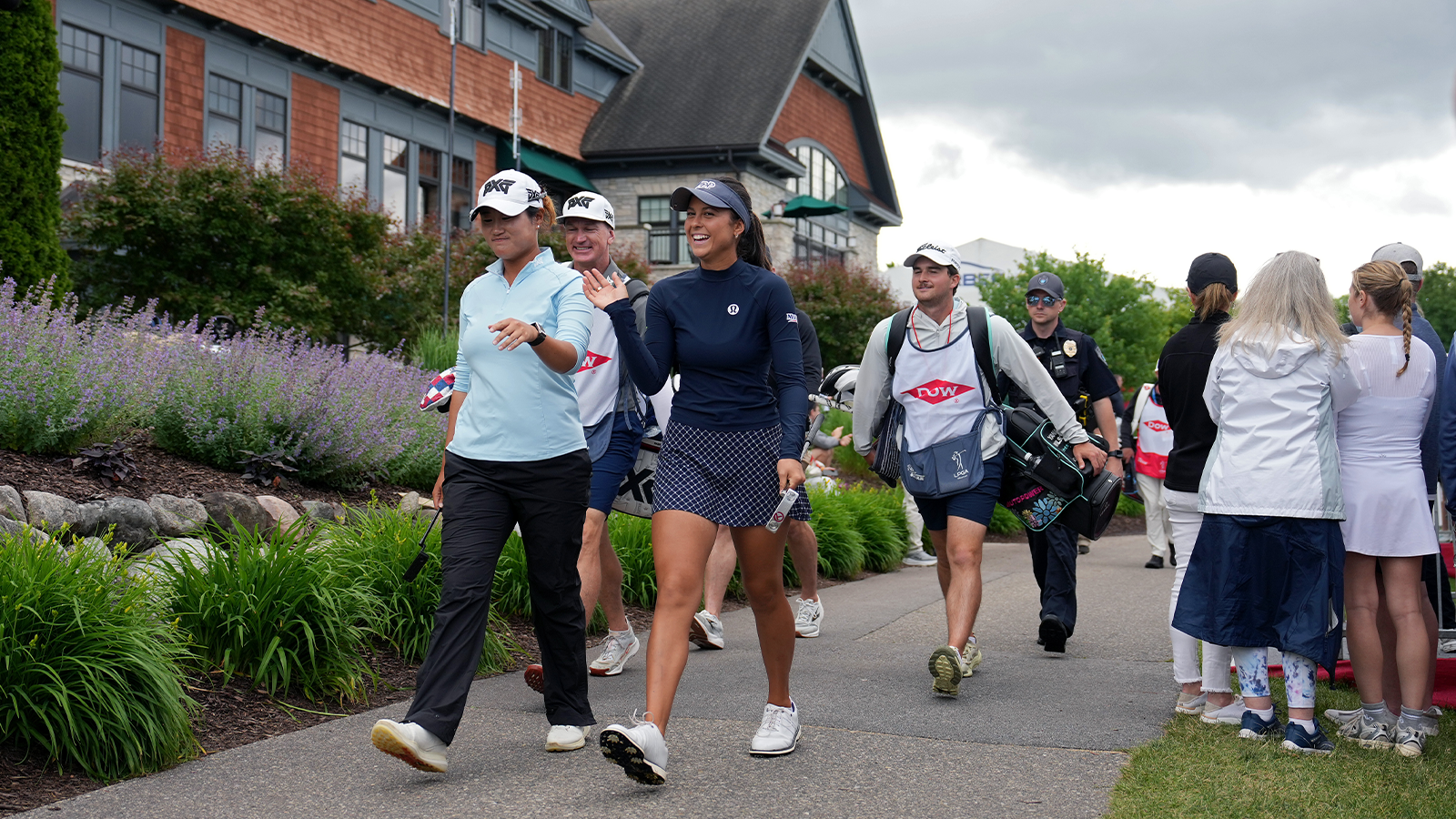
That is what made Gina Kim and Yana Wilson’s victory at the Dow Championship such a good teaching moment for everyday golfers. The American duo earned their first LPGA Tour titles together, closing the team event with a brilliant final round in best-ball play.
Yes, they hit plenty of great shots. But the bigger lesson is not just about ball-striking.
It is about trust.
In team golf, you have to trust your partner. In individual golf, you have to trust yourself. Either way, the best players do not stand over the ball hoping. They commit to a plan, accept the shot in front of them and keep moving.
That is something every golfer can learn from.
Winner’s Tip: Commit To The Shot You Chose
One of the biggest mistakes amateurs make is changing their mind late.
They pick a club, then wonder if it is enough. They aim at one target, then think about the trouble. They start the swing still negotiating with themselves.
That rarely works.
Kim and Wilson had to make clear decisions all week. In team formats, especially, there is a constant balance between being aggressive and being smart. One player may have a chance to attack. The other may need to put the ball safely in play. The team has to know the plan before the swing starts.
You can do the same thing in your own game.
Before you hit, answer three questions:
- What is my target?
- What club gives me the best chance to hit that target?
- What is the smart miss?
Once you answer those, your job is simple: swing with commitment.
That does not guarantee a perfect shot. It does give you a better chance to make a free, athletic motion.
Build A Pre-Shot Routine You Can Trust
A good routine is not just for Tour players. It is the bridge between thinking and swinging.
Try this simple version:
Stand behind the ball. Pick a specific target. Picture the shot shape or ball flight. Take one rehearsal swing that matches the feel you want. Walk in, set the clubface, set your body and go.
The key is that the routine should not take forever. It should give you clarity.
Many golfers use the time before the shot to search for problems. Better players use that time to confirm the plan.
There is a big difference.
Play Like You Have A Partner
Even when you are playing alone, you can borrow a team-golf mindset.
Ask yourself, “What shot would help my partner here?”
That question usually leads to smarter golf. It gets you away from the hero shot and back toward the shot that keeps the round moving in the right direction.
If you are in the trees, your “partner” would love a ball back in play.
If you are between clubs, your “partner” would love the club that covers the front edge.
If you are putting from 40 feet, your “partner” would love a stress-free second putt.
That mindset can save strokes quickly because it reduces emotional decisions.
Practice This: The Trust Drill
Here is a great practice-game drill for your next range session.
Pick one target and one club. Go through your full routine. Hit the shot. Then step away and grade only your commitment, not the result.
Use this scale:
1 means you never committed.
3 means you were unsure but swung anyway.
5 means you fully committed to the plan.
Do this for 10 balls.
Your goal is not to hit 10 perfect shots. Your goal is to make 10 committed swings.
This is a powerful shift. Most golfers judge practice only by where the ball goes. Better players also judge the quality of the decision and the commitment behind it.
Take It To The Course
For your next round, pick one theme:
No late changes.
That means once you choose the club and target, you stay with it. If the wind changes or you get new information, that is different. But if it is just fear talking, do not restart the whole process.
Trust does not mean being reckless. It means being clear.
Kim and Wilson showed how powerful that can be when the pressure is highest. They trusted each other. They trusted their decisions. They trusted the shots they chose.
For amateur golfers, that is the real winner’s tip.
You do not need an LPGA Tour swing to play with more trust. You need a better plan, a simple routine and the discipline to commit before the club goes back.
PGA of America Golf Professional Brendon Elliott is an award-winning coach and golf writer. Read his recent “The Starter” on R.org and his stories on Athlon Sports. To stay updated on his latest work, sign up for his newsletter and visit OneMoreRollGolf.com.