Golf Travel
  Leaderboards
  Become a Member
  Shop
Shop  Trade In
 quick coaching
3 Match Play Lessons from the Walker Cup & Women's PGA Cup
By Brendon Elliott, PGA
Published on
Golfers usually enjoy having a partner right up until that partner is standing off to the side, waiting to see where the next ball goes.
An ordinary 7-iron can feel heavier at that point.
Late this weekend and over the weekend, we've seen this come to life at both the Women's PGA Cup and Walker Cup.
At the Women's PGA Cup in England, five women play for their country, and the three lowest scores count daily. No player knows whether her score will count until the round ends.
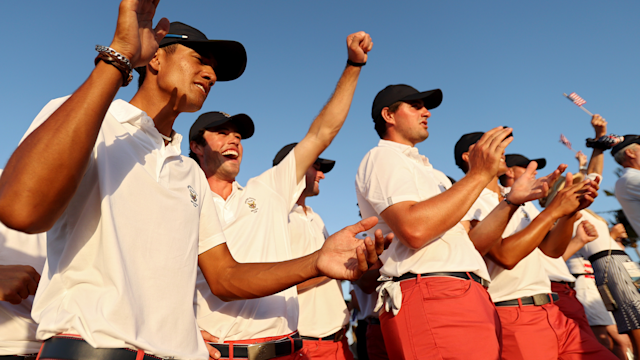
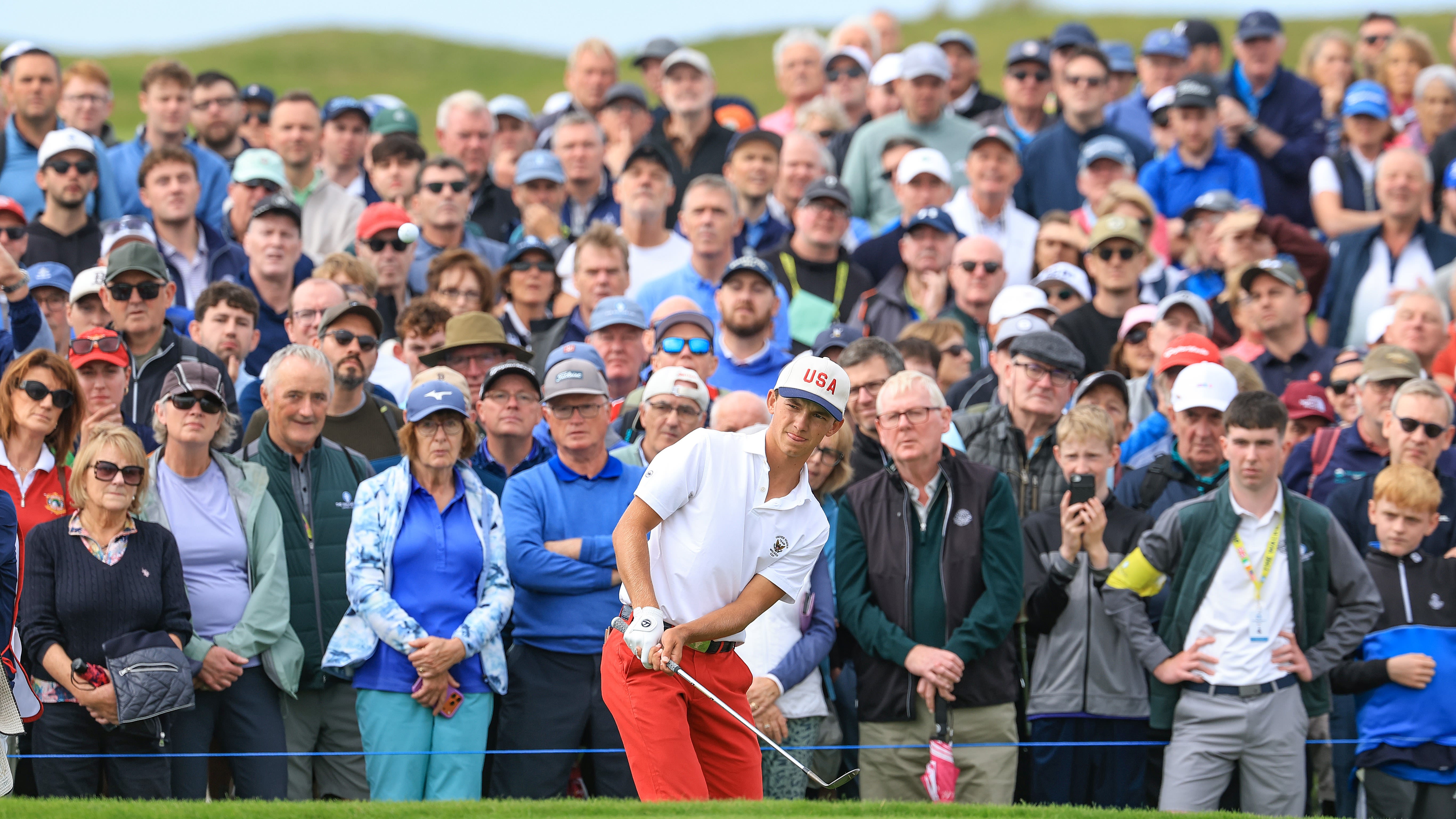
The Walker Cup that's underway this weekend presents a different version at Lahinch in Ireland. In foursomes, two golfers alternate shots with one ball. A poor swing hands the trouble to a teammate.
Most golfers will never play with a national flag on the bag. Plenty, however, will play in a scramble, member-guest, high school match or club event where other people care about the next shot.
I have watched good players become so determined not to hurt the team that they forget to make the swing that earned them a place on it.
Here is how I would help a golfer avoid that trap.
Sort Out the Shot Behind the Ball
Team pressure often creates too much conversation. A player checks the yardage, asks about the wind, hears what a partner thinks and then starts the whole discussion again.
There has to be an end to the meeting.
Stay behind the ball until you can describe the shot in a short, useful sentence. “I’m starting this at the left bunker and letting it fall right” gives the brain and body something to work with. “Just don’t hit it over there” does not.
With a partner, say the whole thing out loud: “I have 156, the wind is off the right and I’m starting it at the left edge.” That gives your partner one last chance to catch a bad number or point out a gust. Once you agree, walk in and hit it.
I have seen golfers remain over the ball after realizing they never bought into the club or line. Step away. The group can spare a few seconds. A rushed swing usually costs more time.
Make the Plan Safer, Then Swing Smaller
This is where many team shots go wrong. The golfer selects the sensible club and target, then tries to add another layer of safety by steering the swing.
Now the motion is short, tight and slower through the ball. That is not the swing the player planned around.
If the situation calls for caution, build it into the decision. Aim farther from the flag. Use the club that comfortably covers the front of the green. On a tee shot, choose the line that gives your normal curve the most room. After doing that work, make a complete swing.
I use a simple finish check with players who get protective under pressure. Make one rehearsal and let the trail shoulder, chest and belt buckle turn toward the target. Finish with the trail heel up and hold the pose while counting “one, two.” There is no need to manufacture a picture-perfect Tour finish. We are checking that the golfer kept moving through the ball instead of quitting on it.
Add one long breath out before placing the club behind the ball. Notice whether the fingers soften on the grip. They do not need to feel loose. You should simply be able to waggle the club without fighting your own hands.
If you cannot hold the finish on three swings in a row, the answer is not another swing thought. Widen the target or take more club. Give yourself a shot you are willing to finish.
Put One Ball at a Time on the Practice Scorecard
Raking another ball into place does very little to prepare a golfer for team competition. There is always another chance sitting in the pile.
Try this with a friend. Pick nine different shots on the range. Change either the club or target after every ball, and use two flags or landmarks to create a landing window. Depending on the club, that window might be 10 yards wide for a wedge and 20 or 25 yards wide for a longer shot.
First, I want to hear the shot: “Starting at the left flag with a fade.” Then, one ball. The partner records yes or no for two questions. Did it land between the markers? Did the player reach the lead side and stay two counts?
Trade places after three balls. Try to collect 14 of the 18 points.
I like having someone else judge the finish. Golfers tend to forgive a steered swing when the ball happens to land near the target. I have done it myself. Your partner only has to answer one question: Did you keep moving through the shot, or did you guide it and get away with it?
During the next team event, use the same two checks. Did I choose a shot with enough room? Did I finish the swing I chose?
Ashley Grier, the U.S. playing captain at the Women’s PGA Cup, said her players needed to “keep playing their own game.” She has been part of every U.S. team since this event began. Those six words come with experience behind them.
Your partner did not sign up for a guarantee. Nobody can offer one in golf. What you can give the team is an honest plan, a clear answer and the swing you brought to the first tee.
PGA of America Golf Professional Brendon Elliott is an award-winning coach and golf writer. Read his recent “The Starter” on R.org and his stories on Athlon Sports. To stay updated on his latest work, sign up for his newsletter and visit OneMoreRollGolf.com.