Golf Travel
  Leaderboards
  Become a Member
  Shop
Shop  Trade In
 quick coaching
5 Golf Lessons From Michael Block’s PGA Tour Champions Debut
By Brendon Elliott, PGA
Published on
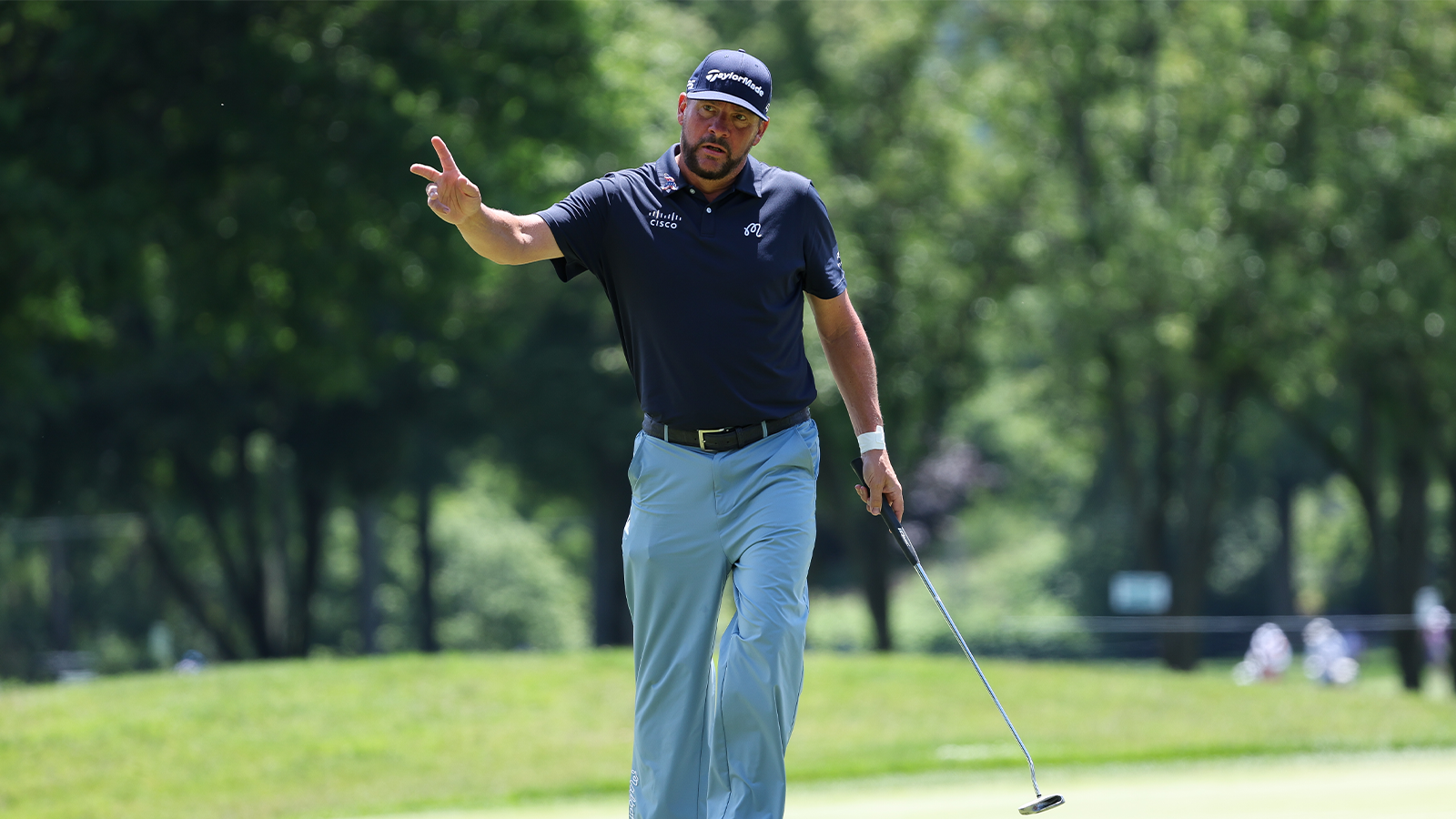
Michael Block’s PGA Tour Champions debut was more than a nice story. It was a reminder of what good golf looks like when a player understands who he is, trusts what he does well and keeps perspective when the finish does not go exactly as planned.
For PGA Professionals, Block’s story hits a little differently. He is one of us. He teaches, coaches, runs a lesson tee and has spent much of his career helping everyday golfers enjoy the game more. When he steps into a tournament like the Dick’s Open and competes against players he grew up watching, it naturally becomes something PGA members and amateur golfers can appreciate.
Block played excellent golf for three days. He put himself in the mix, earned respect from his peers and felt the energy of the fans in New York. Then golf showed up with one of those moments every player understands. On the final hole, after a good drive and a wedge he felt was hit right where he wanted, his ball found trouble, plugged in a bunker and led to a closing triple bogey.
It was a frustrating ending, and Block was honest about that. But he also said the week proved he could compete on PGA Tour Champions. That is the real lesson for golfers.
One hole does not get to erase three days of quality golf.
Learn To Review The Whole Round
Average golfers are often too quick to judge their round by the worst thing that happened. A player shoots 84 but only remembers the double bogey on No. 17. Another golfer hits the driver better than they have all month but cannot stop thinking about the one tee shot that went out of bounds. Someone else putts well for 15 holes, then decides they “can’t putt” because of one missed short one late.
That is not an accurate review. It is an emotional one.
After every round, give yourself a more useful review. Start with three things you did well. They can be simple: you drove the ball in play, controlled your distance with wedges, stayed patient after a bad hole or committed to your targets better than normal. Then list two things that cost you shots. Finally, choose one thing to practice before you play again.
That is the 3-2-1 review:
- Three positives.
- Two areas that cost shots.
- One practice priority.
This keeps you from overreacting and gives your next practice session a purpose.
Separate A Bad Swing From A Bad Break
One of the hardest skills in golf is learning the difference between a bad swing, a bad decision and a bad break.
They are not the same.
A bad swing means your motion did not hold up. Maybe your tempo got quick, your balance was poor or your clubface was not controlled.
A bad decision means you chose the wrong shot for the situation. Maybe you aimed at a tucked pin from a bad lie, tried to carry a hazard you did not need to challenge or hit driver when a fairway wood would have kept you in play.
A bad break means you made a reasonable swing to a reasonable target and the result was worse than the shot deserved.
Golfers get into trouble when they treat all three the same. They hit one unlucky shot and start changing their swing. They make a poor decision and blame their mechanics. They hit a bad shot and call it bad luck.
The next time something goes wrong, ask yourself one question before reacting: Was that swing, strategy or luck?
If it was swing, take it to the range. If it was strategy, make a smarter choice next time. If it was a bad break, accept it and keep playing.
Build A Shot You Trust Under Pressure
Block’s week also showed the value of having a game you understand. He did not look like someone guessing his way around the golf course. He looked like a player who knew his ball flight, knew his strengths and trusted the shots he brought with him.
Most golfers would improve quickly if they stopped searching for five new swing thoughts and started building one dependable pattern.
Here is a simple practice drill for that.
On the range, pick one club you need to trust under pressure. For many players, that may be a driver, hybrid, 7-iron or wedge. Hit 10 balls with one clear target and one clear shot shape. Do not judge the drill by whether every ball is perfect. Judge it by whether you can repeat the same intention.
After each shot, ask:
- Did I pick a specific target?
- Did I commit to the shot shape?
- Did I finish in balance?
- Did the ball start close to where I intended?
That is how you build a pattern. You are not chasing perfect. You are training reliable.
Practice The Recovery Shot Before You Need It
Every golfer needs recovery skills. Not because we plan to miss fairways, but because golf guarantees we will.
A blocked tee shot, a bad bounce, a plugged bunker lie or a ball under a tree can happen to anyone. The difference between steady players and high scores is often how well they handle the next shot.
Add 15 minutes of recovery practice to your weekly routine. Drop balls in imperfect lies. Put one behind a tree. Give yourself a punch-out. Practice a wedge from rough. Hit bunker shots where the lie is not perfect. Work on getting the ball back in play instead of always trying to pull off the miracle shot.
A great recovery goal for amateur golfers is simple: make the next shot easy.
That may mean pitching back to the fairway. It may mean aiming away from the flag. It may mean taking your medicine and playing for bogey instead of turning one mistake into three.
Good players are not great because they never get in trouble. They are great because they know how to get out without making things worse.
Use A Next-Shot Routine
Most golfers understand the idea of a pre-shot routine. Fewer have a next-shot routine.
A next-shot routine is what you do after something goes wrong. It helps you move from reaction back into performance.
Try this:
- React for a few seconds. You are allowed to be frustrated.
- Take one slow breath.
- Say what happened without drama: “That was a pull,” or “That was the wrong target.”
- Choose the smartest next shot.
- Commit to that shot fully.
This keeps one mistake from becoming the start of a run. The goal is not to pretend golf is easy. The goal is to shorten the time between disappointment and a useful decision.
The Lesson For Your Game
Michael Block’s PGA Tour Champions debut had everything that makes golf so compelling. There was excitement, emotion, great play, frustration and perspective. He played well enough to prove he belonged. He also had to deal with a finish that stung.
That combination is why the lesson is so valuable for everyday golfers.
You do not need to play perfect golf to build confidence. You need to understand what happened, learn from it honestly and take the good forward. Review the whole round, separate bad swings from bad breaks, build a shot you can trust and practice the recovery shots that keep big numbers away.
Block left New York knowing he could compete on the PGA Tour Champions.
The next time you finish a round with one hole bothering you, do the same thing in your own way. Look at the full picture, find the progress and get back to work.
PGA of America Golf Professional Brendon Elliott is an award-winning coach and golf writer. Read his recent “The Starter” on R.org and his stories on Athlon Sports. To stay updated on his latest work, sign up for his newsletter and visit OneMoreRollGolf.com.