Leaderboards
  Become a Member
  Shop
Shop  Trade In
 Course Spotlight
Harbour Town Golf Links: Where Coastal Views Meet Classic Shotmaking
By Brendon Elliott, PGA
Published on
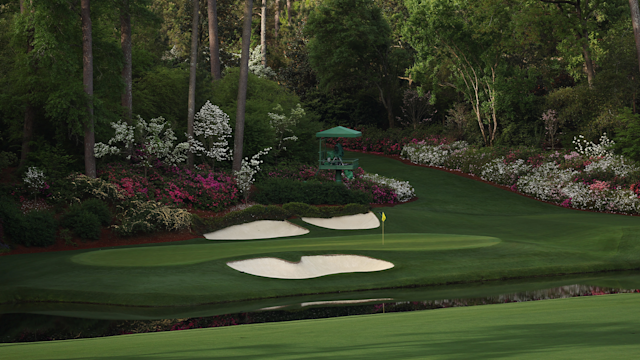
The Masters always leaves the golf world lingering for a moment. Augusta National has that kind of pull. But the PGA TOUR’s next stop offers a completely different kind of charm, and one that golf fans have long appreciated. With the RBC Heritage now on tap and the tartan jacket waiting for its next winner, attention turns to Harbour Town Golf Links, one of the most distinctive and respected courses in tournament golf.
A Course That Helped Shape Modern Golf Architecture
Harbour Town opened in 1969 and immediately made an impact. Designed by Pete Dye with Jack Nicklaus serving as a design consultant, it became one of the earliest and most important examples of Dye’s bold architectural style. It also marked one of Nicklaus’ first ventures into course design, giving the course an added place in golf history.
Just as important, Harbour Town helped establish Hilton Head Island as a true golf destination. It quickly became the centerpiece of Sea Pines Resort and, over time, one of the most recognizable venues on the PGA TOUR schedule. More than five decades later, it still holds that place with ease.
Why Harbour Town Still Stands Out
What makes Harbour Town special is that it has never relied on brute force. Even as professional golf has become more powerful, this course has remained a thinking player’s test. It rewards precision, patience and smart decision-making far more than raw distance.
The fairways are framed by trees, angles matter greatly and the Bermuda greens are among the smallest players see all season. That means approach shots must be controlled and often shaped from the correct position in the fairway. A drive that is only slightly out of place can turn a simple second shot into a stressful recovery.
That is part of Harbour Town’s lasting appeal. It does not overwhelm players with size. It challenges them with decisions. It asks them to manage the ball, not just launch it.
The Look And Feel Of Harbour Town
For viewers and players alike, Harbor Town offers a very different look from Augusta. Where Augusta National feels grand and sweeping, Harbour Town feels intimate and deliberate. The course winds through live oaks, pines and palmettos, creating a tighter and more thoughtful visual experience.
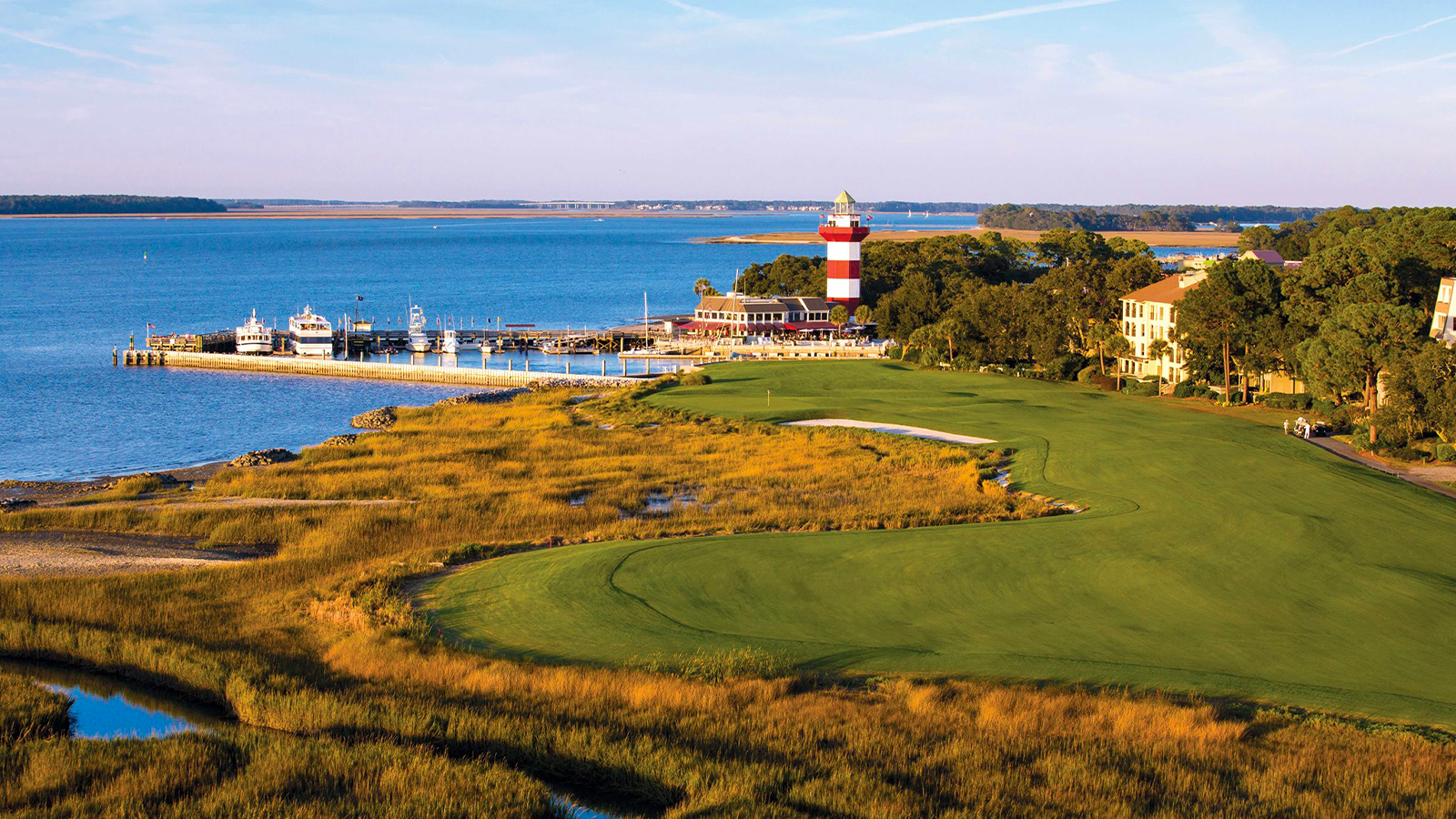
Then, late in the round, the course opens to Calibogue Sound. That shift gives Harbour Town one of the best closing visual stretches in the game. The famous red-and-white lighthouse behind the 18th green has become one of golf’s iconic scenes, and it gives the finish a character all its own.
Key Holes That Define The Challenge
Harbor Town’s greatness is not built on one signature hole alone. It is built on a collection of holes that each demand something slightly different.
The par-3 fourth is a good early example. It is not especially long, but it makes players carefully choose a line and commit to it. The eighth is one of the toughest holes on the course, requiring a precise drive and a strong approach into a difficult green. It is a hole that punishes players who get even a little out of position.
The ninth changes the pace. It is a shorter par 4, but not an easy one. Like so many holes at Harbour Town, it tempts players to get aggressive while quietly rewarding restraint and placement instead.
On the inward side, the 13th and 14th continue that theme. The 13th is another short par 4 where angle matters more than power. The 14th, a beautiful par 3, brings water, a small target and real pressure. Then comes the 17th, another nervy one-shot hole where wind and water can quickly change the mood.
And then there is the 18th. Few finishing holes in golf are more recognizable. Running along the Sound toward the lighthouse, it is scenic without losing its teeth. Players still have to execute under pressure, which is exactly what a great finishing hole should demand.
Updated Over Time, But True To Itself
One reason Harbour Town remains so respected is that it has evolved carefully. Over the years, restoration and renovation work has helped the course stay relevant without changing what made it special in the first place. Improvements to greens, bunkers and infrastructure have modernized the experience, but the soul of the layout remains intact.
That matters. Too many great courses risk losing their identity when they chase trends. Harbour Town has resisted that trap. It still asks the same kinds of questions it asked in 1969, and those questions still matter in today’s game.
Why It Remains A Favorite
There is something fitting about Harbour Town following the Masters each year. Augusta provides drama on the grandest stage. Harbor Town offers a quieter, yet equally meaningful, kind of brilliance. It is strategic, coastal, traditional and unmistakably its own.
That is why the RBC Heritage continues to feel important, and why Harbour Town continues to be beloved by serious golf fans. It reminds us that great golf courses do not have to be loud. Some of the best are defined by nuance, by angles and by the demand for disciplined shotmaking.
Harbour Town Golf Links has been proving that for more than 50 years. That is why it remains one of the PGA TOUR’s true classics.
PGA of America Golf Professional Brendon Elliott is an award-winning coach and golf writer. Read his recent “The Starter” on R.org and his stories on Athlon Sports. To stay updated on his latest work, sign up for his newsletter and visit OneMoreRollGolf.com.