Golf Travel
  Leaderboards
  Become a Member
  Shop
Shop  Trade In
 quick coaching
How to Putt on Fast Greens: 3 Simple Lessons From Daniel Berger
By Brendon Elliott, PGA
Published on
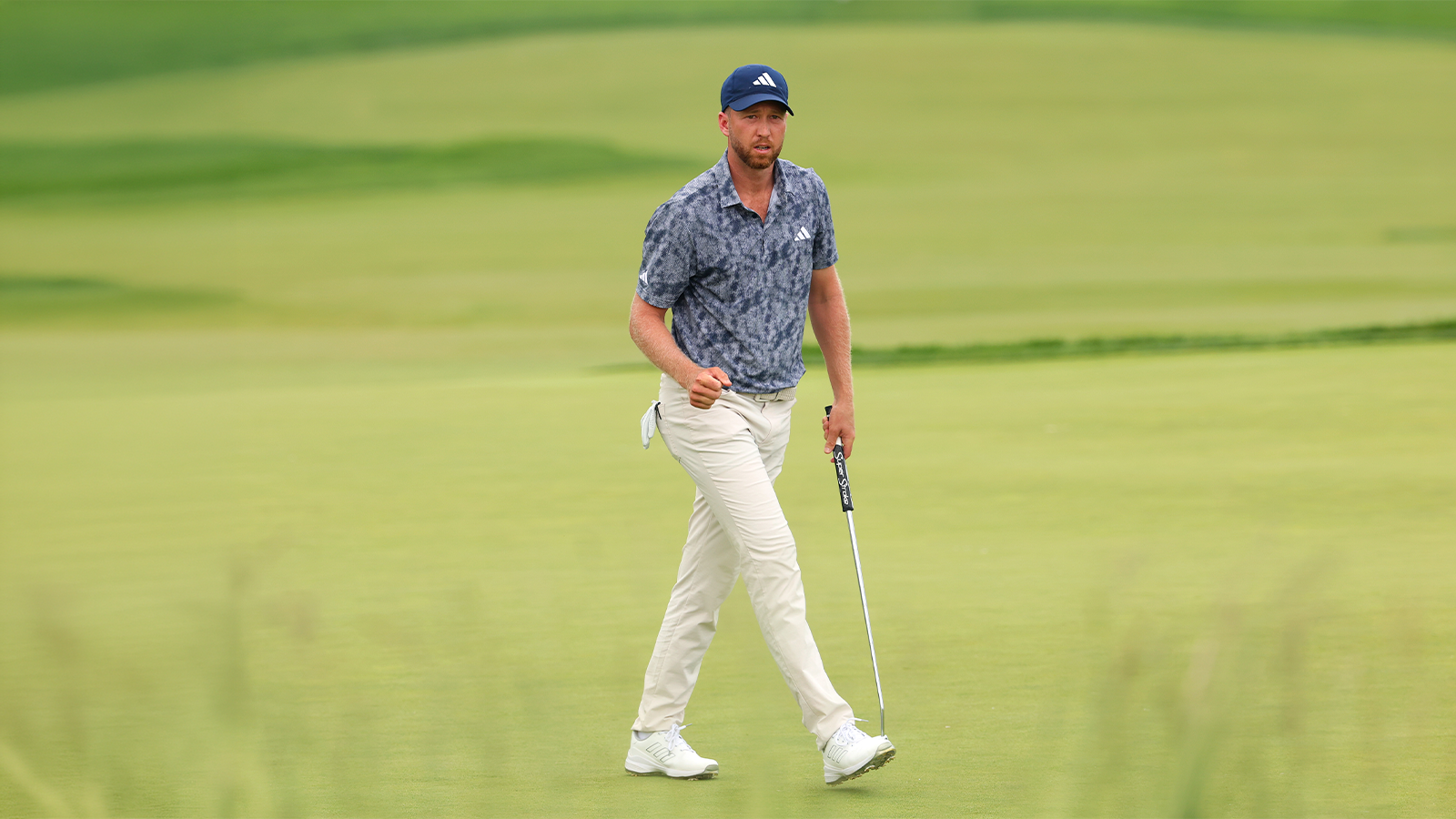
Daniel Berger stood over a 25-footer on the first hole Friday at Bay Hill, the ball sitting in the first cut of rough. He stroked it confidently, watching it track toward the cup before dropping for birdie. A great start to what would become another stellar round on some of the fastest greens the PGA Tour has to offer.
Through 36 holes at the Arnold Palmer Invitational, Berger has racked up 14 birdies and built a commanding five-shot lead over Akshay Bhatia. That birdie total might not sound earth-shattering for Tour pros, but context matters. Bay Hill’s greens are running close to 14 on the stimpmeter this week, creating a challenge that Berger compared to a U.S. Open.
“They are lightning quick, like, borderline, you know, too quick,” Berger said after his second round. “Like, when you put the putter down, you almost have no friction. The putter just wants to slide.”
That’s the reality of super-fast greens. They’re treacherous. They punish the slightest miscalculation. And yet Berger has mastered them over his last five rounds at Bay Hill, going a combined 22-under par. So what can we learn from his approach when we face similarly slick surfaces?
Focus on Your Lag Putting First
When Berger was asked what impressed him most about his round, he didn’t point to the birdies he made. Instead, he highlighted his longer two-putts.
“I feel like probably the longer 2-putts,” he said. “It’s so easy to get them running 6, 7, 8, 9 feet by the hole.”
This is the first lesson for fast greens: your priority isn’t making everything. It’s avoiding three-putts. On greens this quick, a putt from 30 feet that finishes 8 feet past the hole creates a nerve-wracking comebacker. Do that a few times and your round unravels.
How to implement it: Before your round, spend extra time on long lag putts during practice. Pick spots 30, 40, or even 50 feet from the hole. Your goal isn’t to make them. Your goal is to leave every putt within a 3-foot circle around the cup. This builds the touch you need to avoid those momentum-killing three-putts. On the course, when you’re facing a long putt, think about dying the ball at the hole rather than charging it. A putt that comes up a foot short is infinitely better than one that races 6 feet past.
Respect Position Over Proximity
Berger made an interesting observation about his second round. He felt like he hit the ball better than his opening 64, yet he shot 67. Why? Because even good shots don’t guarantee birdie chances on fast greens.
“You can hit a good shot and just because you’re 8 feet above the hole doesn’t necessarily mean it’s a birdie chance,” he explained. “So there was plenty of times where I hit some good shots to 20 feet and was happy walking away with a 4.”
This is crucial. On fast greens, being below the hole matters more than being close to it. An uphill 20-footer is often easier than a downhill 8-footer.
How to implement it: Study the green before you hit your approach shot. Identify where the hole is cut and where the high and low points are. Then aim for the fat part of the green that leaves you below the hole, even if it means you’re farther away. This might feel counterintuitive, but it’s smart golf. You’re playing percentages. During practice rounds or casual play, experiment with hitting to different levels of the green. You’ll quickly learn that distance from the hole isn’t everything when speed is a factor.
Simplify Your Stroke Mechanics
When greens are this fast, there’s no room for a long, flowing stroke. Berger mentioned that when he puts his putter down, there’s almost no friction and the putter wants to slide. That’s a telling detail about how he’s approaching these surfaces.
On lightning-fast greens, less is more. You need a shorter, more controlled stroke that minimizes variables. The longer your backstroke, the harder it becomes to control speed. And on greens running near 14 on the stimpmeter, speed control is everything.
How to implement it: Practice putting with a shorter backstroke than you normally use. Focus on accelerating smoothly through the ball rather than taking a big backswing and decelerating. A good drill is to place a tee in the ground about 6 inches behind your ball. Make strokes where your putter doesn’t go past that tee. This forces you to control distance with tempo and strike quality rather than stroke length. You’ll be amazed at how far the ball rolls with minimal effort when the greens are quick.
The Bigger Picture
Berger’s success at Bay Hill isn’t just about putting. He emphasized the simple recipe: fairways and greens. But his putting prowess on these treacherous surfaces is what’s separating him from the field. He’s not trying to be a hero. He’s managing risk, respecting the challenge and staying patient.
“You just got to stay patient and take what the course gives you,” he said. “And when you have an opportunity, you got to take advantage because there’s not that many of them out there.”
That’s the mindset you need on fast greens. Accept that pars are good scores. Celebrate lag putts that finish close. And when you do get a makeable birdie chance, trust the work you’ve done and roll it in.
PGA of America Golf Professional Brendon Elliott is an award-winning coach and golf writer. Read his recent “The Starter” on R.org and his stories on Athlon Sports. To stay updated on his latest work, sign up for his newsletter and visit OneMoreRollGolf.com.