Golf Travel
  Leaderboards
  Become a Member
  Shop
Shop  Trade In
 Intermediate
Play Smarter, Score Lower: Lessons From Celine Boutier’s Winning Week
By Brendon Elliott, PGA
Published on
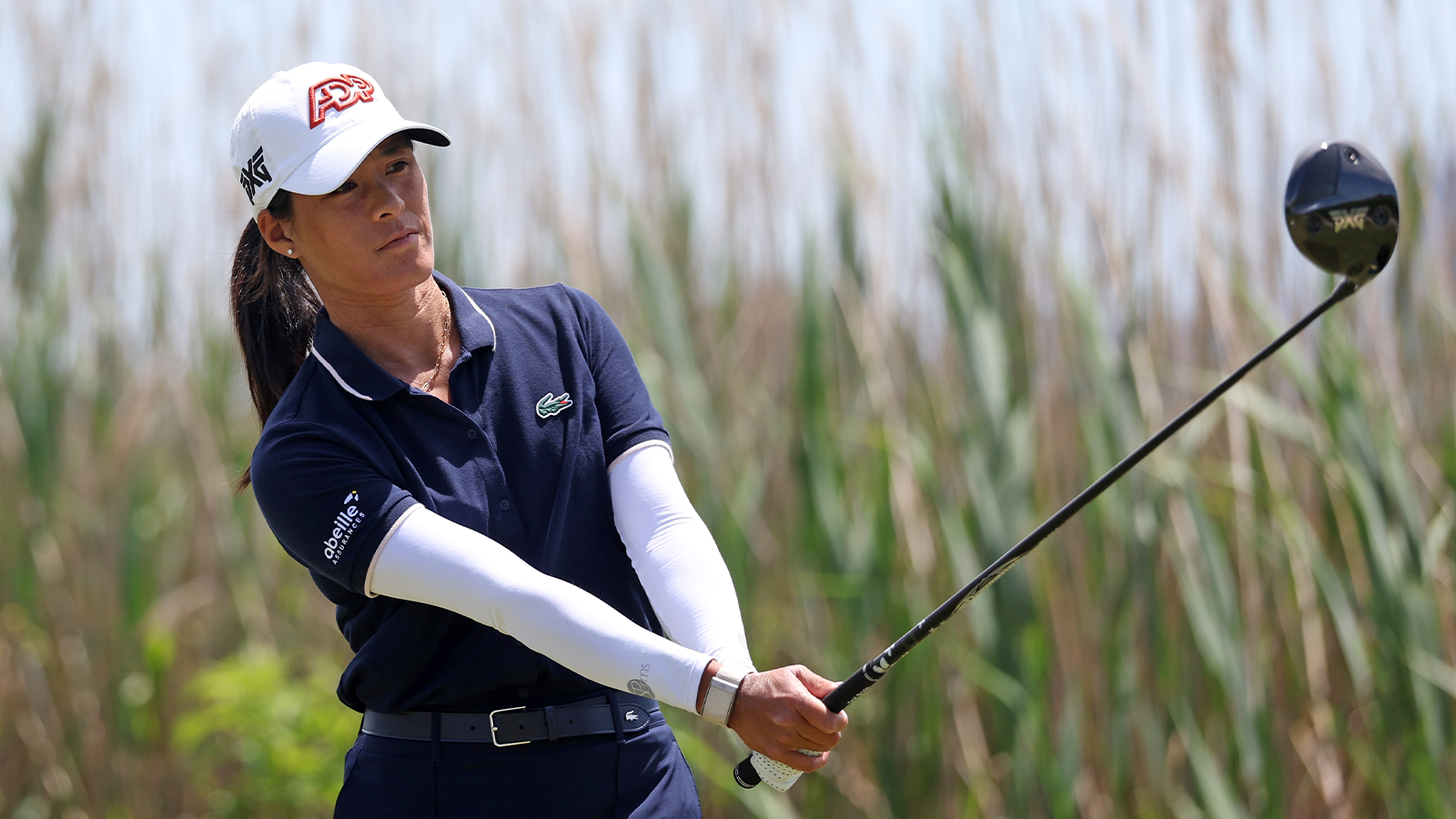
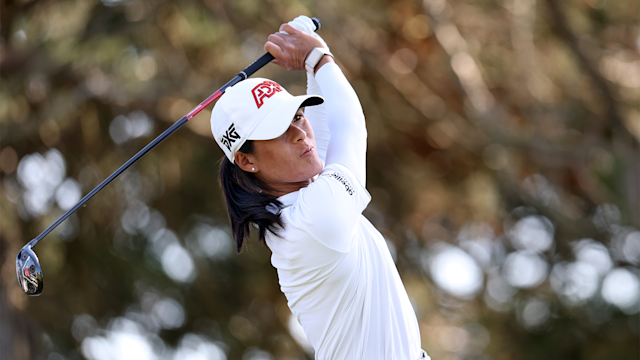
Celine Boutier did not win the ShopRite LPGA powered by Wakefern by overpowering Seaview’s Bay Course.
She won by managing it.
That is the lesson every golfer can take from her closing round of 66. Boutier rallied from four shots back, made five birdies, had only one bogey and needed just 26 putts on Sunday to win by one. It was her second ShopRite LPGA title and her first LPGA Tour victory since 2023.
For everyday golfers, the real teaching point is not simply that Boutier played great. It is how she handled a golf course that changes quickly with the wind, demands smart club selection and punishes loose shots into tricky greens.
After the win, Boutier talked about how Seaview can be played many different ways. That is a big idea for recreational golfers to understand. The best players in the world do not walk to every shot with one automatic answer.
They adjust.
You can do the same.
Let the Wind Help You Pick the Right Shot
Most amateur golfers notice the wind but do not always adjust enough for it. They feel it, mention it and then often pull the same club they would hit on a calm day.
Boutier pointed out that Seaview’s wind can make the course play very differently. Wind changes more than distance. It changes trajectory, curve, landing angle and commitment.
Before you hit your next windy approach shot, ask yourself:
- Is the wind helping, hurting or crossing?
- Do I need to hit this lower, higher or more neutral?
- Where is the safest miss if I misjudge it?
Into the wind, take more club and make a smoother swing. A hard swing usually adds spin, and spin makes the ball climb, stall and come up short. Downwind, remember the ball may carry farther but also land flatter and release more.
In a crosswind, avoid fighting it unless you have that shot. Letting the ball ride the wind toward a safer target is often the smarter play.
Make Club Selection About More Than Yardage
One of the biggest differences between Tour players and higher-handicap golfers is that great players rarely choose clubs based only on the number to the flag.
They factor in wind, lie, green firmness, carry distance, trouble, elevation, adrenaline and how the ball will react when it lands.
That matters on any course, but especially on a course with tricky greens like Seaview. The average golfer sees 143 yards and thinks, “That is my 7-iron.” A better player sees 143 yards, a back-right hole location, wind off the left and a bunker short, then chooses the shot with the largest margin for error.
Try this on your next approach:
- Get the number to the front, middle and back of the green.
- Pick the club that reaches the correct section, not just the flag.
- Aim where a slight miss still leaves a reasonable chip or putt.
- Avoid tucked pins unless the shot fits your skill level.
Aiming away from trouble is not scared golf. It is smart golf.
Respect the Green Before You Get There
Boutier’s 26 putts in the final round should get every golfer’s attention. But better putting often starts before the putter ever comes out of the bag.
If you keep leaving yourself downhill, breaking, defensive putts from 35 feet, your putting stats are going to suffer. If you miss approach shots on the short side, your chips become harder. If your speed control is poor, your second putts become stressful.
The best way to putt better is to leave yourself easier putts.
A simple approach-shot goal for most golfers is this: play to the fat side of the green and try to leave yourself an uphill putt whenever possible.
You will not always pull it off, but the intention matters. When you watch LPGA Tour players, pay attention to how often they leave themselves makeable or manageable putts. That is not luck. That is course management.
Use the Par 5s Without Forcing Them
Boutier also mentioned that Seaview offers chances on the par 5s. That is another lesson for amateurs.
Par 5s are scoring holes, but they are not automatic green-light holes.
Too many golfers turn every par 5 into a hero-shot opportunity. They hit driver into trouble, chase a fairway wood from a bad lie or try to carry a hazard they have no business challenging.
The better play is to build the hole backward.
Ask yourself:
- Can I reach the green in two with a normal shot?
- Is the lie good enough to advance the ball safely?
- Where do I want my third shot to come from?
- What club gives me a comfortable wedge distance?
If you cannot reach in two, your second shot should set up your favorite third-shot yardage. A well-played layup to 85 yards is often better than a forced fairway wood that leaves you in rough, sand or water.
Stay Patient When the Round Gets Weird
Boutier’s win came after she started the day four shots behind. That is a great reminder that golf rounds are not decided after six holes.
Amateur golfers lose patience too quickly. A bogey early feels like the round is gone. A bad break becomes an excuse. A missed short putt turns into three loose swings.
Boutier had gone nearly three years without an LPGA Tour win. She had been close. She had been frustrated. But she kept working, and when her game started to come together, she was ready.
For everyday golfers, patience might be the most underrated scoring skill in the game.
Try this reset after a mistake:
- Take one slow breath before you walk to the next shot.
- Name the mistake without emotion.
- Pick the smartest next target.
- Commit to the shot in front of you.
You do not need to make up for a mistake immediately. You need to stop one mistake from becoming three.
Your Boutier-Inspired Practice Plan
Before your next round, spend 20 minutes practicing smarter scoring golf:
Five minutes: Hit three different clubs to the same target window.
Five minutes: Practice punch shots with an extra club and a shorter swing.
Five minutes: Hit wedges to three different distances, focusing on landing spots.
Five minutes: Putt from 25 to 35 feet and try to stop every ball inside a three-foot circle.
Boutier’s ShopRite LPGA win was impressive because of the score. It was even more useful because of the blueprint.
She adjusted to the course, respected the wind, picked smart clubs, took advantage of scoring chances and stayed patient long enough for the round to come to her.
That is not just LPGA Tour golf. That is better golf for everybody.
PGA of America Golf Professional Brendon Elliott is an award-winning coach and golf writer. Read his recent “The Starter” on R.org and his stories on Athlon Sports. To stay updated on his latest work, sign up for his newsletter and visit OneMoreRollGolf.com.