Golf Travel
  Leaderboards
  Become a Member
  Shop
Shop  Trade In
 quick coaching
Timeless Golf Tips From PGA Champions Jack Nicklaus, Ben Hogan, Lee Trevino and Gary Player
By Brendon Elliott, PGA
Published on
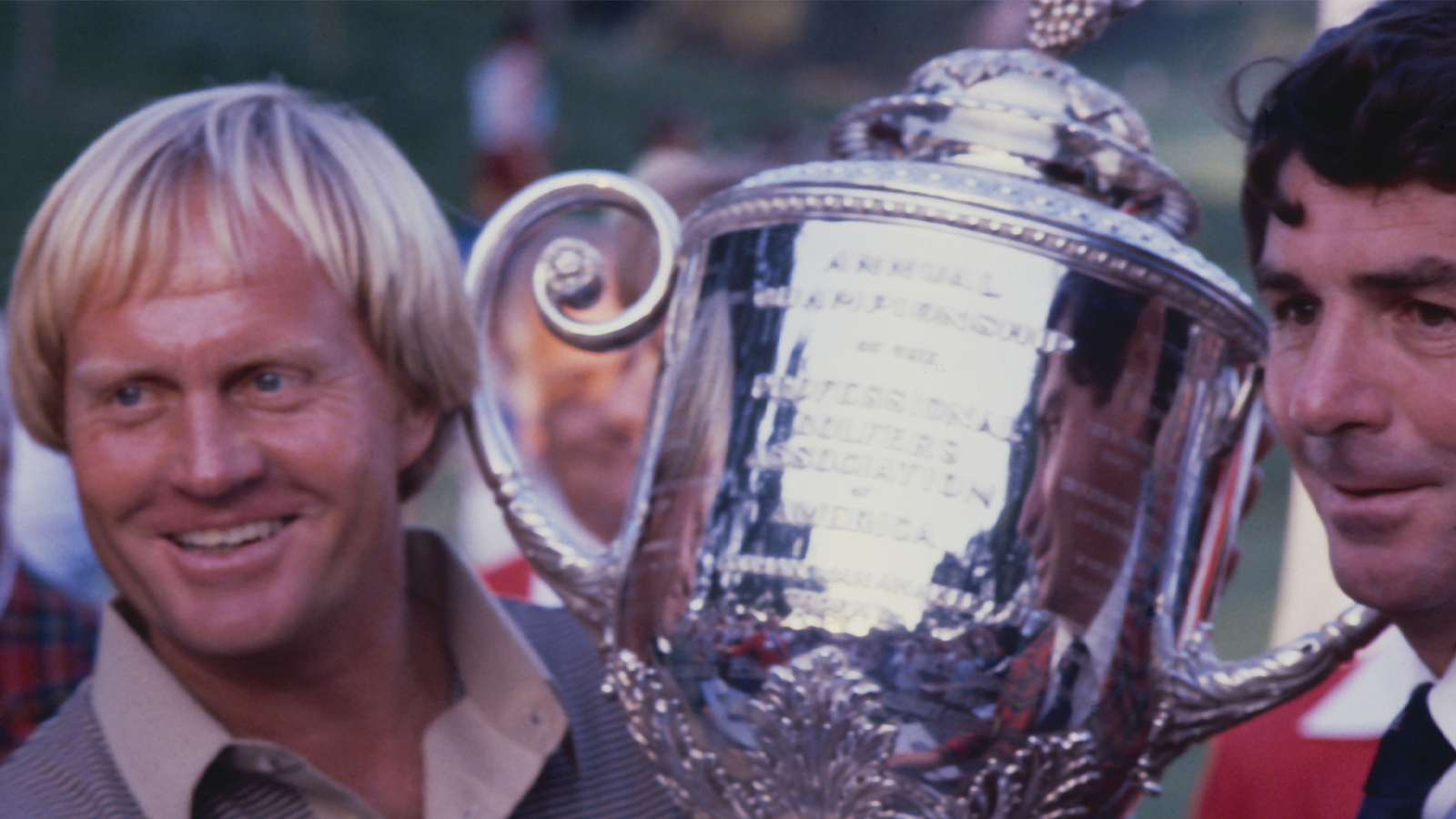
The PGA Championship has long rewarded players who could stand up to pressure, solve tough golf courses and trust their games when it mattered most. Jack Nicklaus won the Championship five times, still the stroke-play record. Gary Player, Lee Trevino and Ben Hogan each won it twice. Their swings were different. Their personalities were different. But the lessons they leave behind still fit the way the game is taught today.
That is the beauty of studying great champions. You are not trying to turn a club golfer into Jack Nicklaus or Ben Hogan overnight. You are looking for one clear idea, one useful feel and one practical drill that can help everyday players strike it better, control the ball more reliably and think a little more like champions.
Jack Nicklaus: Steady Head, Better Balance
One of Nicklaus’ most enduring fundamentals was keeping the head steady through the swing. PGA.com highlighted that idea as one of his simplest and most powerful tips, stressing that golf is a game of balance, rhythm and timing and that too much head movement makes those things harder to maintain. A more recent PGA.com instruction piece made the same point another way: keep your head behind the ball rather than letting it drift forward too early.
For everyday golfers, this matters because excessive head movement usually brings other problems with it. Low point gets inconsistent. Balance starts to go. The strike gets unreliable. Nicklaus’ tip is not about freezing your head in place. It is about creating a steadier center so the rest of the swing has a chance to repeat.
Quick-Read Tip
- Keep your head steady, not rigid
- Let your body turn around that stable center
- Focus on balance and centered contact
- Avoid lunging forward in transition
Drill: The Doorway Drill
- Stand next to a doorway or wall with enough room to rehearse your swing.
- Let the side of your head lightly reference the frame.
- Make slow backswings and notice whether your head slides away.
- Rehearse through-swings with the same stable feel.
- Then step away and hit soft shots while keeping that sensation.
That drill gives golfers immediate feedback. It turns “stay steady” from a vague thought into something they can actually feel.
Gary Player: Shift Pressure Forward
Gary Player brought discipline and fitness into golf in a way that changed the sport, but one of the most useful things amateurs can borrow from him is much simpler: get pressure moving to the lead side in the downswing. Instruction built around Player’s motion has emphasized how many amateurs hang back too long, leaving the bottom of the swing in the wrong place and forcing the hands to bail them out.
This is one of the most common ball-striking issues I see in everyday golfers. When pressure stays on the trail side, fat shots and thin shots tend to show up together. When it moves forward more naturally, contact often improves quickly. That is one reason Player remains such a good model. He moved athletically through the ball instead of stalling behind it.
Quick-Read Tip
- Start the downswing by moving pressure left
- Do not hang back on the trail side
- Let your body move through the strike
- Expect cleaner, more compressed contact
Drill: The Walk-Through Drill
- Set up to the ball normally.
- Make your swing.
- As the club reaches impact, let your trail side step through toward the target.
- Feel your foot, knee, hip and torso all moving through together.
- Start with half-swings before building up to fuller shots.
It is a simple drill, but a good one. It teaches golfers that the swing is not just a backswing and a slap at the ball. It is a motion that keeps moving.
Lee Trevino: Get the Hands Forward on Pitch Shots
Lee Trevino always had a gift for making golf feel practical, and one of his best recent setup cues is ideal for everyday players trying to improve their pitching. In a 2025 GOLF instruction piece, Trevino’s advice was wonderfully simple: on pitch shots, your hands should feel as though they are over your lead shoe. That gets the shaft and lead arm working in a better line and helps remove the scoopy, flippy action that ruins so many short shots.
That is a great Trevino lesson because it is clear and usable. Many golfers set up with the hands too neutral or too far back, then try to help the ball into the air. Usually that leads to poor contact and inconsistent distance control. Trevino’s cue gets the club organized before the swing even starts.
Quick-Read Tip
- Set the hands slightly forward at address
- Let the shaft lean naturally toward the target
- Avoid flipping the clubhead past the hands
- Use it on pitch shots and partial wedges
Drill: Lead-Hand Setup Rehearsal
- Take your wedge in your lead hand only.
- Set the clubhead behind the ball first.
- Add your trail hand to the grip.
- Then build your stance around that setup.
- Check that your hands feel just ahead of the ball, or as Trevino put it, “over your shoe.”
That sequence helps golfers stop building the setup backward. It is a small change, but often a very helpful one inside 50 yards.
Ben Hogan: Train Connection and Structure
Ben Hogan’s name is practically synonymous with precision, and one old-school drill tied to his ideas still has real value for golfers who get too handsy or disconnected. GOLF highlighted a Hogan practice drill using two belts, one just above the elbows and another just above the knees, to encourage a more connected motion and train a better overall structure in the swing.
Hogan also emphasized the lower body’s role in starting the downswing, another reminder that a good swing is not just about what the hands do. For the average golfer, that is useful because many swings get lost when the arms run off on their own and the body stops supporting the motion. Hogan’s ideas pull golfers back toward connected movement and better sequencing.
Quick-Read Tip
- Train the arms and body to work together
- Reduce overly handsy motion
- Feel structure in the backswing and transition
- Build the motion slowly before hitting full shots
Drill: Hogan’s Two-Belt Drill
- Wrap one belt just above the elbows.
- Wrap a second belt just above the knees.
- Make slow rehearsal swings without a ball.
- Let the belts teach you a more connected motion.
- Remove them and keep the same feeling in short swings, then full swings.
It is not flashy, but neither was Hogan’s approach. It is a drill built around discipline, awareness and repeatability.
Quick-Read Tips From PGA Champions
- Nicklaus: Keep your head steadier so your swing has a more stable center.
- Player: Move pressure to your lead side sooner and keep moving through the shot.
- Trevino: Set your hands slightly forward on pitch shots for cleaner contact.
- Hogan: Train connection so your body and arms work together instead of fighting each other.
What makes these legends so useful for modern golfers is that their best lessons are not complicated. Nicklaus teaches stability. Player teaches motion through the ball. Trevino teaches smart setup and clean contact. Hogan teaches structure. Those ideas held up on major-championship stages, and they still hold up on your course this weekend.
PGA of America Golf Professional Brendon Elliott is an award-winning coach and golf writer. Read his recent “The Starter” on R.org and his stories on Athlon Sports. To stay updated on his latest work, sign up for his newsletter and visit OneMoreRollGolf.com.