Leaderboards
  Become a Member
  Shop
Shop  Trade In
 quick coaching
3 Lessons From Beau Hossler's Impressive Wyndham Championship Start
By Brendon Elliott, PGA
Published on
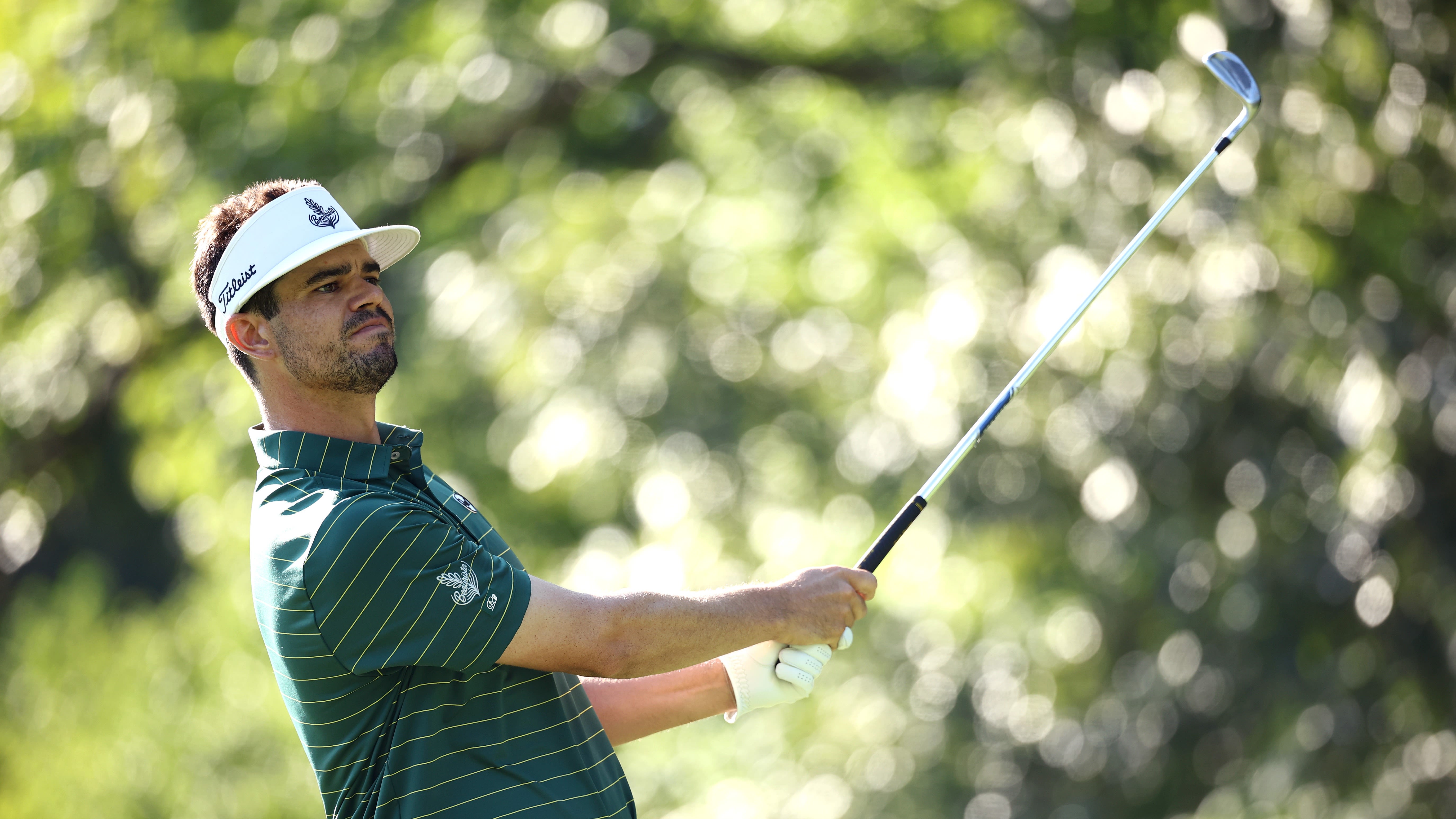
Golfers love talking about shooting a career-low round. We spend far less time talking about what happens the next day.
Beau Hossler gave us a useful example through 36 holes of the Wyndham Championship. He opened with a 9-under 61 at Sedgefield Country Club, then returned Friday with a 3-under 67. Hossler needs to win if he wants to continue his 2026 season.
That matters to everyday golfers because one of the easiest ways to waste a great round is trying to reproduce it. You remember the putts that dropped, the irons that finished close and how easy everything seemed. Then you show up next time expecting the same golf.
I would rather see a player preserve what produced the score than chase the score itself. That means checking what is available that day, controlling the shots that create scoring opportunities and allowing a new round to develop on its own.
Recalibrate Before You Try to Recreate
After a great round, golfers often arrive at the range looking for confirmation. They want the first few shots to prove yesterday is still there. A couple of poor swings can suddenly create concern that did not exist 24 hours earlier.
Instead, use it as calibration. Before your next round, hit nine purposeful shots:
- Three wedges to three different carry numbers.
- Three mid-irons through a target window about 10 yards wide.
- Three tee shots toward a fairway-width target.
Check three things: Did the ball start reasonably close to your intended line? Was the carry predictable? Was the curve playable?
If seven of nine shots satisfy those standards, stop searching. You have enough information to play golf. If you miss the standard, look for the simplest pattern first. Are most shots starting one direction? Are they consistently short? That information is more useful before a round than trying to diagnose every imperfect swing.
That is especially useful after an unusually low round because it keeps yesterday’s success from becoming today’s mechanical investigation.
Give Your Approach Shots a Front and Back Number
Sedgefield is a par-70 course measuring 7,131 yards for the Wyndham, with greens averaging about 6,000 square feet. Low scoring puts a premium on creating birdie chances, but amateurs often misunderstand what that means. They start aiming at more flags.
On your next practice session, choose a scoring club and create a 10-yard carry window. For example, if you are working from 130 yards, establish a front number of 125 and a back number of 135. Hit five balls and count how many carry inside that window.
Then change clubs and repeat. I especially like doing this with the clubs that cover the distances you expect to see most often on the course, rather than automatically reaching for a favorite wedge.
Four of five inside the window is a good benchmark. If you continually finish short, the issue may be club selection rather than direction. If your pattern stretches 15 or 20 yards from shortest to longest, you have identified something worth practicing.
On the course, use that information to choose clubs that give your normal carry pattern room to fit on the green. Birdie opportunities come from predictable approaches far more often than heroic ones.
Start the Next Round With Your Most Boring Golf
Hossler’s Friday 67 was not another 61. It did not need to be. That distinction is important.
Following a great score, many golfers unknowingly raise the degree of difficulty. A driver they normally would not hit suddenly comes out. A tucked flag becomes inviting. A recovery shot gets attempted because yesterday everything worked.
For the first three holes after a particularly good round, I like a simple rule: choose the shot you would be most comfortable hitting if you had only one ball left in your bag.
That does not automatically mean playing conservatively. It means using your normal shot shape, selecting targets that accommodate your typical miss and refusing to manufacture something simply because you are trying to stay hot.
Pay attention to the decisions, not your score relative to the previous round. I want golfers coming off the third green able to describe their ball flight and contact pattern, not tell me how many shots they are behind yesterday’s pace. After three holes, you should know what the golf ball is doing that day.
A great round is evidence that your game can produce a great score. It is not a contract promising another one.
Hossler’s first two days at Sedgefield offer a useful reminder. A 61 can be followed by a 67 and still leave you exactly where you want to be. For the rest of us, the goal after playing great should be similar: recalibrate, manage your approach windows and play the game you actually brought to the course.
PGA of America Golf Professional Brendon Elliott is an award-winning coach and golf writer. Read his recent “The Starter” on R.org and his stories on Athlon Sports. To stay updated on his latest work, sign up for his newsletter and visit OneMoreRollGolf.com.