Golf Travel
  Leaderboards
  Become a Member
  Shop
Shop  Trade In
 quick coaching
5 Lessons for Golfers From Haeran Ryu's Amundi Evian Championship Win
By Brendon Elliott, PGA
Published on
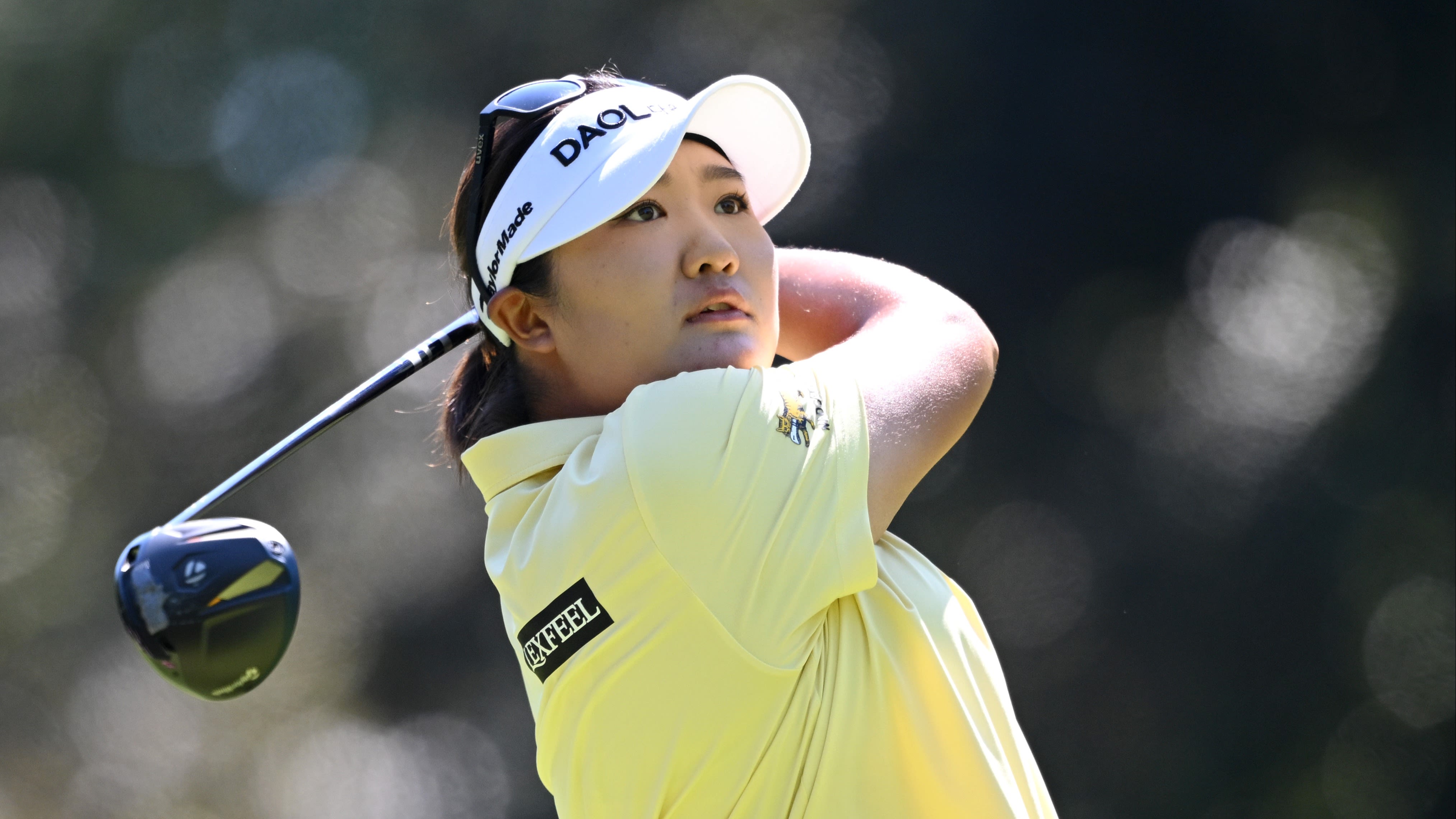
Haeran Ryu’s victory at the Amundi Evian Championship included almost every kind of test a golfer can face.
She followed an LPGA major-record 60 in the third round with an even-par 71 on Sunday. She birdied the 72nd hole to force a playoff with Brooke Henderson, then made another birdie on the first extra hole to secure her second consecutive major championship.
The dramatic finish was memorable. For golfers trying to improve, however, the contrast between Ryu’s final two rounds may be even more useful.
Ryu hit 16 greens and needed 24 putts during her 60. One day later, she still hit 15 greens but took 33 putts. Her ability to create scoring chances had barely changed. Her ability to convert them had.
That distinction is where the lesson begins.
Separate Chance Creation From Conversion
When a score disappoints us, the usual reaction is broad: My swing was bad. My game disappeared. I need to fix everything.
That conclusion often does not survive a closer look.
I like to separate scoring into two questions:
- Did you create enough realistic chances?
- Did you convert enough of those chances?
Chance creation comes from putting the tee shot in play, hitting greens and leaving the ball in manageable positions. Conversion happens when putts fall, chips finish close and good opportunities become birdies or pars.
Ryu’s final-round score suggested a struggle, but 15 greens in regulation told a different story. Her ball-striking continued to supply opportunities. The putter simply did not reward them at the same rate.
In my years of coaching, I have seen golfers make their biggest changes on days that call for the smallest response. They judge the whole game by the final number instead of identifying which part actually cost them shots.
Require Evidence Before Making a Swing Change
A score can tell you that something changed, but it cannot always tell you why.
Ryu’s 71 was 11 shots higher than her third-round 60, yet her greens-in-regulation total dropped by only one. That is not evidence of a ball-striking breakdown. It is evidence that nearly the same number of opportunities produced a very different return.
Before changing technique after a frustrating round, ask three questions:
- Did contact quality noticeably deteriorate?
- Did the same start-line or curvature miss keep repeating?
- Did dispersion widen enough to change your normal shot pattern?
If the answer is no, the round may reflect normal scoring variance rather than a technical problem.
One thing I have learned from coaching is that golfers often intervene too early. They replace a stable motion because the score feels alarming. A better response is to determine whether the result came from a repeatable ball-striking pattern or from opportunities that simply did not convert.
Ryu made only one bogey and did not three-putt during the final round. She remained close enough for one birdie on the 18th to force a playoff.
Give the Critical Shot One Clear Job
Ryu reached the 18th green needing a birdie after Henderson made an eagle. She faced an uphill putt of about 13 feet after missing several putts from a similar distance.
Her instruction to herself was specific: “Do not be short.” A miss beyond the hole was acceptable. A short putt was not.
That is not a rule for every putt. It was a decision tailored to a must-make moment.
When I am helping a player handle a critical shot, I want the task narrowed to one controllable requirement. Carry the front bunker. Start the putt outside the cup. Finish the ball beyond the hole. One clear job is more useful than telling yourself to hit a great shot.
Ryu removed one unacceptable outcome and committed to enough pace. The putt fell.
Reuse a Successful Picture
The playoff returned Ryu and Henderson to the 18th hole. Ryu said the birdie she had just made gave her a positive memory and more confidence when she played the hole again.
Golfers sometimes treat a playoff, rematch or repeated shot as if the circumstances require a new plan. Usually, the smarter move is to preserve the successful picture.
Recall the target, pace, club choice or ball flight that just worked. Let the stakes change without allowing the task to become unfamiliar.
Ryu described her approach to the playoff as playing the hole normally. That is a useful model for everyday golfers: Repeat the information that worked, rather than inventing something, because the moment feels larger.
Try a Two-Column Round Review
After your next round, divide a page into two columns.
Under “Chances Created,” record fairways or playable tee shots, greens hit and chips or pitches that finished inside a reasonable makeable range.
Under “Chances Converted,” record birdies, par saves, short putts made, three-putts and opportunities that slipped away.
Then build the next practice around the weaker column.
If you created too few chances, investigate contact, start direction, club selection or strategy. If you created plenty but converted poorly, leave the productive swing alone and focus on putting or short-game performance.
Ryu’s record 60 showed how low she could go when creation and conversion aligned. Her closing 71 showed something different: A golfer can still win when only one of them is cooperating.
The lesson is not to ignore a poor score. It is to make sure the score leads you to the right problem.
PGA of America Golf Professional Brendon Elliott is an award-winning coach and golf writer. Read his recent “The Starter” on R.org and his stories on Athlon Sports. To stay updated on his latest work, sign up for his newsletter and visit OneMoreRollGolf.com.