Leaderboards
  Become a Member
  Shop
Shop  Trade In
 Intermediate
Cameron Young’s Winning Plan: 4 Golf Lessons You Can Use Right Now
By Brendon Elliott, PGA
Published on
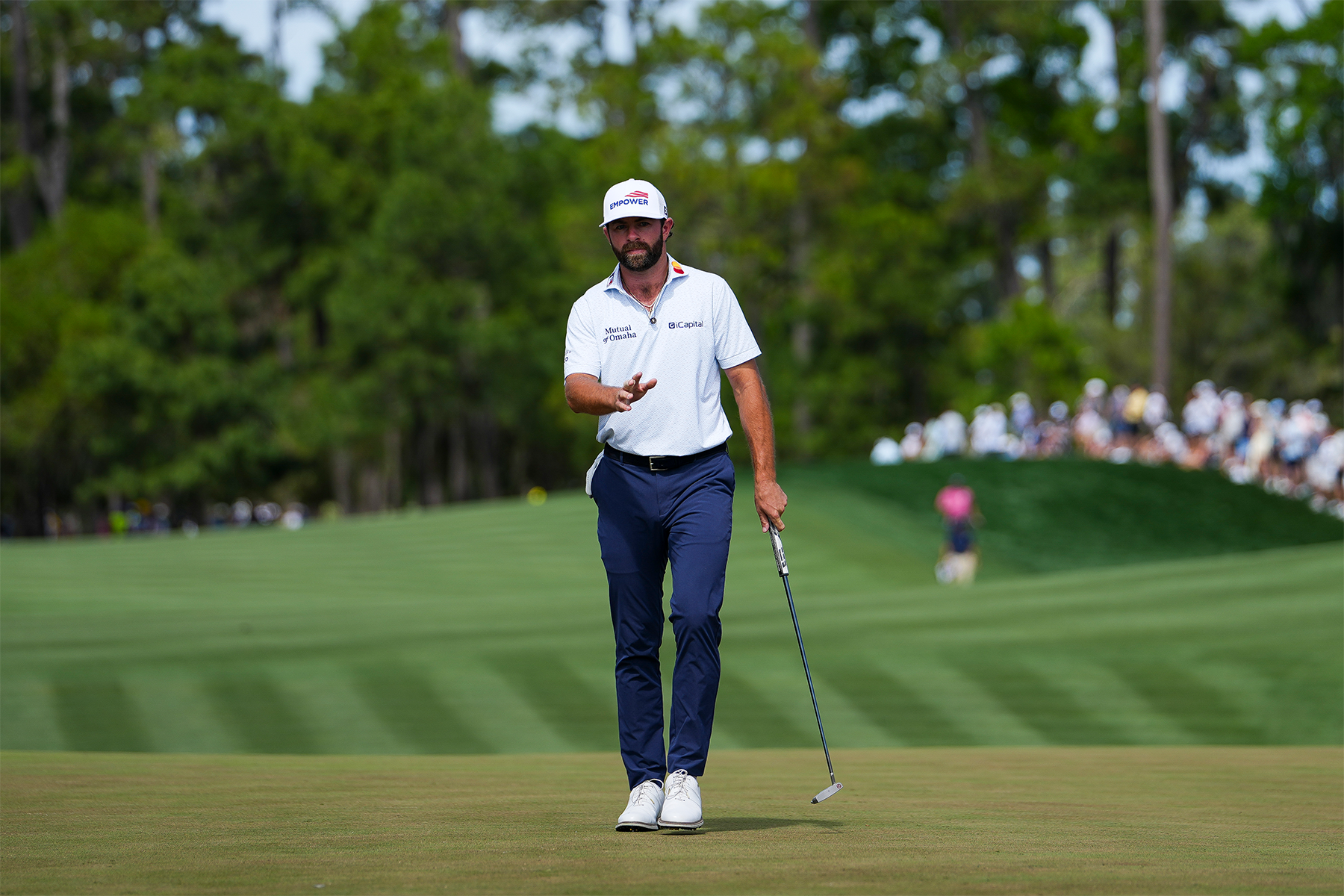
Cameron Young’s win at THE PLAYERS Championship was obviously fueled by talent, but that is not the part most golfers should focus on. Yes, he has speed. Yes, he can hit shots most players can only imagine. But his victory at TPC Sawgrass on Sunday came from something far more useful to the average golfer: he played organized golf under pressure. Young started the final round four shots back, shot 68, and won by one over Matt Fitzpatrick for his second PGA TOUR title.
That is why his week is worth studying.
The stat sheet from his performance at TPC Sawgrass tells the story clearly. Young gained 7.075 strokes on approach shots and 4.818 on the greens. He hit 70.83 percent of his greens in regulation, scrambled at 76.19 percent, made 20 birdies and just five bogeys on the week. That is not one club getting hot. That is a player keeping his game in order from start to finish.
For the average golfer, that is the real takeaway. You do not need Cameron Young’s clubhead speed to borrow Cameron Young’s blueprint.
1. Play for position, not perfection
Many amateur mistakes begin on the tee. Golfers fall in love with the idea of a perfect drive and forget the point of the shot. The goal is not to impress yourself or your buddies. The goal is to set up the next shot.
Young’s numbers are a good reminder of that. He gained strokes off the tee for the week, but he hit 60.71 percent of his fairways, which is solid, not flawless. He did not need perfect driving to win. He needed playable driving. He kept the ball moving forward and gave himself chances to attack from reasonable spots.
That is a helpful course-management rule for everybody: choose the tee shot that gives you the easiest next shot. Sometimes that is the driver. Sometimes it is a 3-wood. Sometimes it is a club that leaves a few more yards but takes the big miss out of play. Golf gets a lot simpler when you stop trying to hit your absolute best drive and start trying to hit your most reliable one.
2. Aim at greens like a scorer, not a hero
Young’s week was built on iron play. Gaining more than seven strokes on approach at Sawgrass is a huge number, and hitting 51 of 72 greens means he kept giving himself opportunities while staying out of trouble.
That should sound familiar to any golfer who has ever wrecked a scorecard by chasing a tucked flag.
Most players do not need to aim closer. They need to aim smarter. If the pin is cut near water, a bunker, or a steep run-off area, the best target is often the fat side of the green. That does not mean playing scared. It means understanding what actually lowers scores. More greens. Fewer short-sided misses. More putts from 20 feet. Fewer chips from a tricky lie.
Young’s iron play this week was sharp, but it was also disciplined. There is a difference. Good scoring usually comes from repeating sound targets, not from pulling off miracle shots.
3. Make your short game about saving holes
One reason Young was able to keep pressure on the field all week was that his misses did not spiral. He led the field in scrambling at 76.19 percent and went 4-for-5 in sand saves. When he missed, he recovered. That is a skill every golfer can build.
The short game should not just be something you work on when the rest of your game feels broken. It should be part of your scoring plan.
Too many golfers practice chipping in a way that looks nice but does not help much. They drop a handful of balls in one perfect lie and hit the same shot over and over. Then they get on the course, short-side themselves from rough or sand, and panic.
A better approach is to practice variety. One chip from a tight lie. One pitch with less green to work with. One bunker shot. One basic runner. One shot from light rough. Give yourself a score and try to get up and down. That is the kind of practice that actually transfers to the course.
4. Putt to take stress out of the hole
Young also gained nearly five strokes putting for the week, and that matters because strong putting is not only about making birdies. It is also about refusing to give shots away. He made only five bogeys all week, which tells you a lot about how cleanly he managed rounds at a course that punishes loose mistakes.
For most golfers, better putting starts with better expectations.
From 30 feet, the job is to cozy the ball down near the hole. From 6 feet, the job is to make a committed stroke. From 3 feet, the job is to trust your routine and finish the hole. That sounds basic, but so many players make putting harder than it needs to be by treating every putt like a must-make event.
If you want a smarter practice split, spend most of your putting time in two zones: lag putts from 25 to 40 feet and short putts from 3 to 6 feet. That is where scorecards change.
Recap
Young’s PLAYERS win was a reminder that great golf does not always look wild or dramatic. Sometimes it looks steady. The ball stays in play. The irons find the right parts of the greens. The short game cleans up mistakes. The putter keeps panic out of the round.
You may never hit it like Cameron Young. Almost nobody can. But you can absolutely play with more discipline, make better decisions and turn your own game into something more repeatable.
That is the part of his win worth borrowing.
PGA of America Golf Professional Brendon Elliott is an award-winning coach and golf writer. Read his recent “The Starter” on R.org and his stories on Athlon Sports. To stay updated on his latest work, sign up for his newsletter and visit OneMoreRollGolf.com.