Golf Travel
  Leaderboards
  Become a Member
  Shop
Shop  Trade In
 quick coaching
How to Flight the Golf Ball Low: The Simple Guide for Everyday Golfers
By Brendon Elliott, PGA
Published on
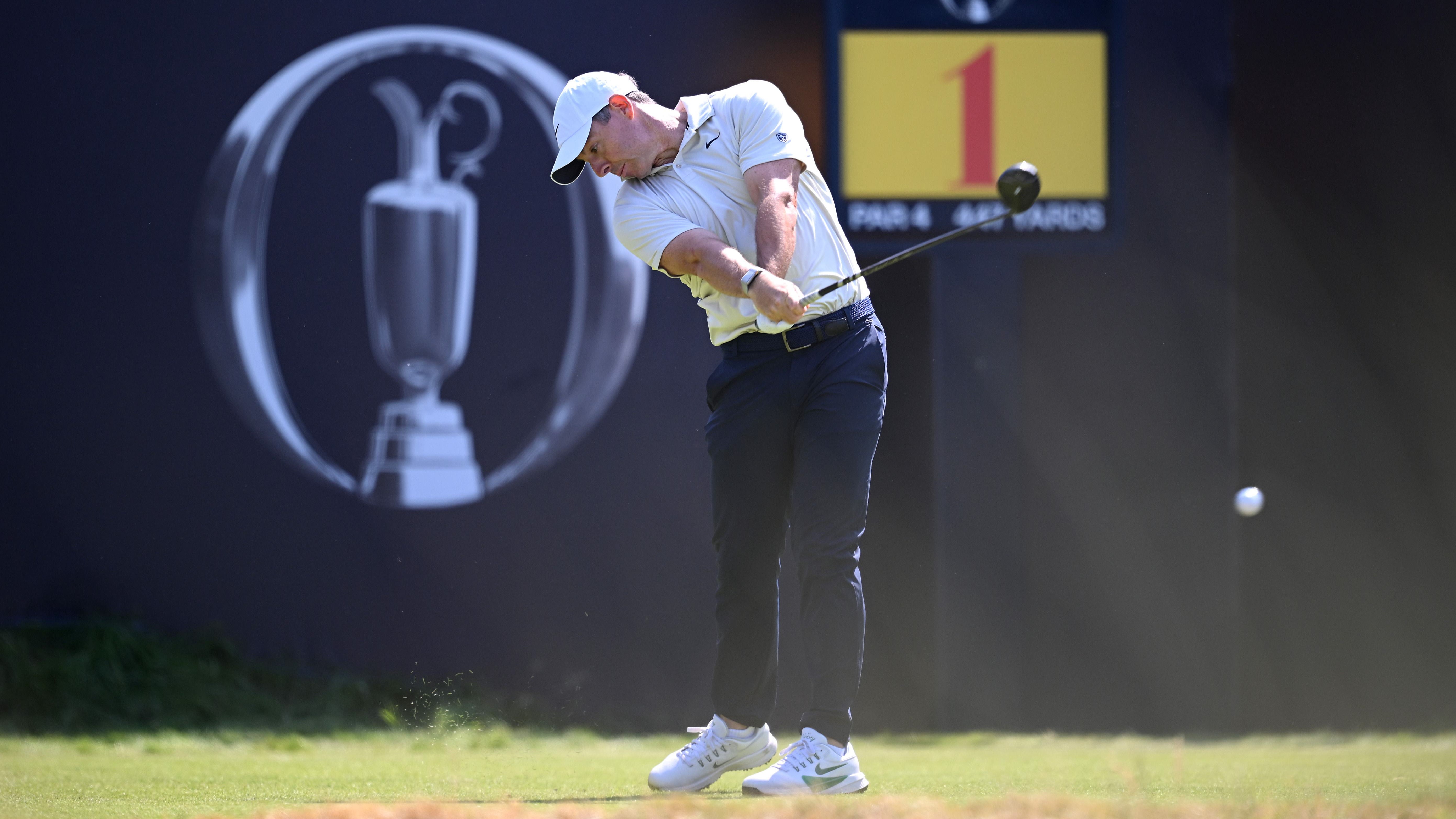
Links golf has a way of exposing whether you truly control your golf ball. The fairways are firmer, the wind often has a say and shots that fly too high can get moved around quickly.
That is why one of the most useful skills any golfer can learn is the ability to flight the ball down.
A flighted shot is not just a “punch shot.” It is a controlled golf shot that launches lower, spins appropriately and holds its line better through the wind. You do not need to be playing The Open Championship at Royal Birkdale to need it, either.
Everyday golfers can use a flighted shot into the wind, under tree limbs, to find fairways on tight holes or to take trouble out of play when a full swing feels like too much.
The best part is that this shot is much easier to learn than many players think.
Start With the Right Club
The first mistake many golfers make is trying to hit a low shot with the wrong club. If you want the ball to fly lower, let the club help you.
Instead of taking your normal 8-iron and trying to force it down, take one or two extra clubs and make a shorter, smoother swing. For example, if you would normally hit an 8-iron from 140 yards, try a 6-iron or 7-iron with a three-quarter motion.
That simple adjustment does a few things:
- It reduces the need to swing hard.
- It lowers the launch naturally.
- It helps you control spin.
- It makes solid contact more likely.
Flighted shots are about control, not strength. The more you try to “hit down” or squeeze the ball with effort, the more likely you are to create too much spin or lose your balance.
Set Up for a Lower Ball Flight
Your setup should help create the shot before you ever start the club back. Small changes can make a big difference.
Try this setup:
- Play the ball slightly back of center.
- Put a little more weight on your lead side.
- Narrow your stance slightly.
- Choke down on the club about an inch.
- Keep your hands a touch ahead of the ball.
None of these changes should feel extreme. You are not trying to trap the ball into the ground. You are simply creating a setup that encourages a slightly lower launch and more control through impact.
A great checkpoint is your finish. If you are trying to flight the ball, your finish should feel shorter and more balanced. If your hands are wrapped high around your neck, you probably made too big of a swing.
Three-Quarter Back, Three-Quarter Through
Most everyday golfers lose control of flighted shots because their swing gets too long. They make a shorter backswing, then rush down and flip the club through impact. That usually sends the ball higher, not lower.
Think of the swing as three-quarter back and three-quarter through. Your arms and body should stay connected, and your chest should continue turning through the shot.
A good feel is that your lead arm and club stay in front of your chest longer through impact. The club should not pass your body too quickly. When your body stops and your hands take over, loft gets added and the ball climbs.
Try this simple swing thought: Turn back, turn through, hold the finish.
That keeps the shot athletic and repeatable.
Practice Drill: The Ladder Flight Drill
This is one of the best drills for learning trajectory control.
Take one club, preferably a 7-iron or 8-iron, and hit three different shots to the same general target:
- Shot 1: Waist-high finish.
- Shot 2: Chest-high finish.
- Shot 3: Full finish.
Do not worry about perfect distance at first. Pay attention to how the ball launches, how it flies and how it reacts when it lands. You should start to see that the length of your finish has a major influence on trajectory.
Once you get comfortable, repeat the drill with one extra club. That is when the flighted shot starts to become a real scoring tool. You begin learning how to hit a lower 6-iron the same distance as a full 8-iron, but with a much more controlled flight.
Where to Use It on the Course
A flighted shot is useful in more places than most golfers realize. It is not just for windy days.
Use it when:
- You are hitting into the wind.
- You need to keep the ball under branches.
- You want to find a fairway with less curve.
- You have a back pin and need the ball to land short and release.
- You feel nervous and want a more controlled swing.
That last one matters. A flighted shot can be a pressure shot. When you have a tight tee shot or a demanding approach, taking more club and making a controlled motion can help quiet the mind and keep the ball in play.
The secret to flighted shots is not some advanced move that only elite players can handle. It is a simple formula:
More club. Shorter swing. Lower finish. Balanced body.
If you can build those pieces into your practice, you will have a shot that travels better through the wind and gives you more control on firm, fast golf courses. Links golf rewards imagination, but it also rewards discipline. Learning to flight the ball gives everyday golfers both.
The next time the wind kicks up or a hole asks for something more controlled, do not fight the conditions. Adjust, simplify and flight it down.
PGA of America Golf Professional Brendon Elliott is an award-winning coach and golf writer. Read his recent “The Starter” on R.org and his stories on Athlon Sports. To stay updated on his latest work, sign up for his newsletter and visit OneMoreRollGolf.com.