Golf Travel
  Leaderboards
  Become a Member
  Shop
Shop  Trade In
 quick coaching
PGA Championship: Three Coaching Takeaways from the Leaders at Aronimink
By Luke Olson, PGA
Published on
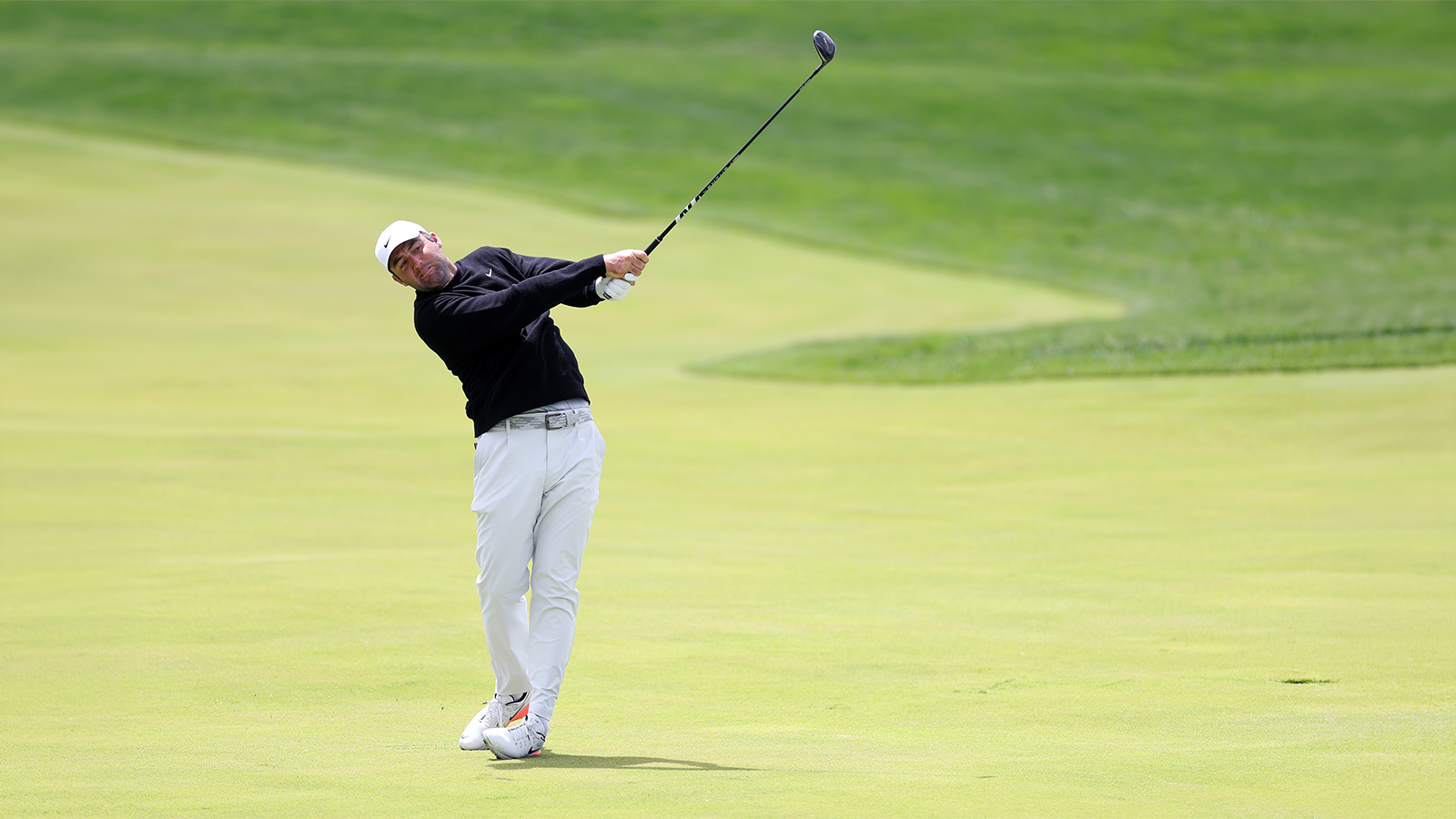
Aronimink Golf Club has been one of the most demanding tests this season at the 2026 PGA Championship.
A packed and volatile leaderboard — with 19 players within three shots of the lead — reflects just how exacting it’s been, even for the best. It may not look tight from tee to green, but Donald Ross’ design punishes even the slightest misses, turning them into difficult recoveries rather than routine pars. That ability to scramble is what’s keeping players in position heading into the weekend, which saw the cut at 5-over.
This 108th PGA Championship is separating those who can limit mistakes. Here are three lessons golfers can take directly from the players in contention.
1. Being Smart with Approach Play
Chris Gotterup is proving there’s more to scoring than just power off the tee.
Combining elite distance with control, Gotterup hit 15 of 18 greens in regulation in his second-round 65, the lowest round of Friday and two shots back of leaders Alex Smalley and Maverick McNealy. While Gotterup leads the field in driving distance, he also ranks sixth in Strokes Gained in Approach the Green (1.983).
What stands out even more is how he’s managing his way around grueling hole locations — the kind Scottie Scheffler described as “the hardest set of pin locations I’ve seen on tour."
Rather than forcing aggressive shots to tucked pins, Gotterup was content to take what the course gave him. “I feel like I’ve gotten a lot better since turning pro at being OK with hitting it to 30 feet being a good shot,” Gotterup said Friday.
At Aronimink, aggressive lines can turn birdie chances into difficult recoveries. Poor swings will cost shots. But so will poor decisions. If the world's best players often aim for the largest parts of the green, that model is worth following for recreational golfers.
Tip: Next time you’re on the range, don’t just fire at flags. Pick targets that represent the safe side of a green. Train yourself to hit the ball into certain zones, not pins.
2. Managing Your Misses
Even for the No. 1 player in the world, control off the tee comes and goes.
After hitting 13 of 14 fairways on Thursday to grab a share of the lead, Scheffler wasn’t as sharp on Friday. He missed his first six fairways of the round before finally finding the short grass on his ninth hole.
But Scheffler stayed committed and settled in to hit six fairways on the back nine, limiting the damage to a one-over 71 and leaving him three shots off the lead. Many amateur golfers see their rounds unravel when the driver isn’t cooperating. Scheffler did the opposite, even after bogeying three of his first four holes.
You don’t need a perfect swing to stay in a round — you need a miss you can manage. Stick to your go-to ball flight or a club you trust to find fairways.
Tip: When your driver starts to slip, commit to a fairway finder for a few holes, whether it be a 3-wood, hybrid or long iron. Keeping the ball in play is more valuable than chasing distance, and a controlled swing makes a huge difference.
3. Patience After Mistakes
At the top of the leaderboard, staying in position often comes down to how the best players in the world respond when things go awry.
Hideki Matsuyama, at 3-under after an impressive 67 in Friday’s blistering morning wave, was in control of his second round with three birdies and 11 pars through 14 holes before a rare mistake at the short par-4 6th. After finding the middle of the fairway, he failed to convert a five-foot putt for par and settled for a bogey.
It’s a moment most amateurs know well: a great round interrupted by a slight mishap. The difference, however, is the response.
Matsuyama countered by hitting a 285-yard drive into the fairway on No. 7, sticking his approach to 20 feet, and rolling in the birdie putt. No urgency or overcorrection, but a commitment to his process.
That ability to absorb a mistake without letting it carry over — especially late in the round — is why players like Matsuyama remain in contention.
Tip: After a mistake, accept your frustration but leave it behind before the next hole. Stay present over the next shot, slowing down your routine, picking a target you're committed to, and making a confident swing.