Golf Travel
  Leaderboards
  Become a Member
  Shop
Shop  Trade In
 quick coaching
Playing Golf in the Heat, Part 2: The Back Nine Starts at Breakfast
By Brendon Elliott, PGA
Published on
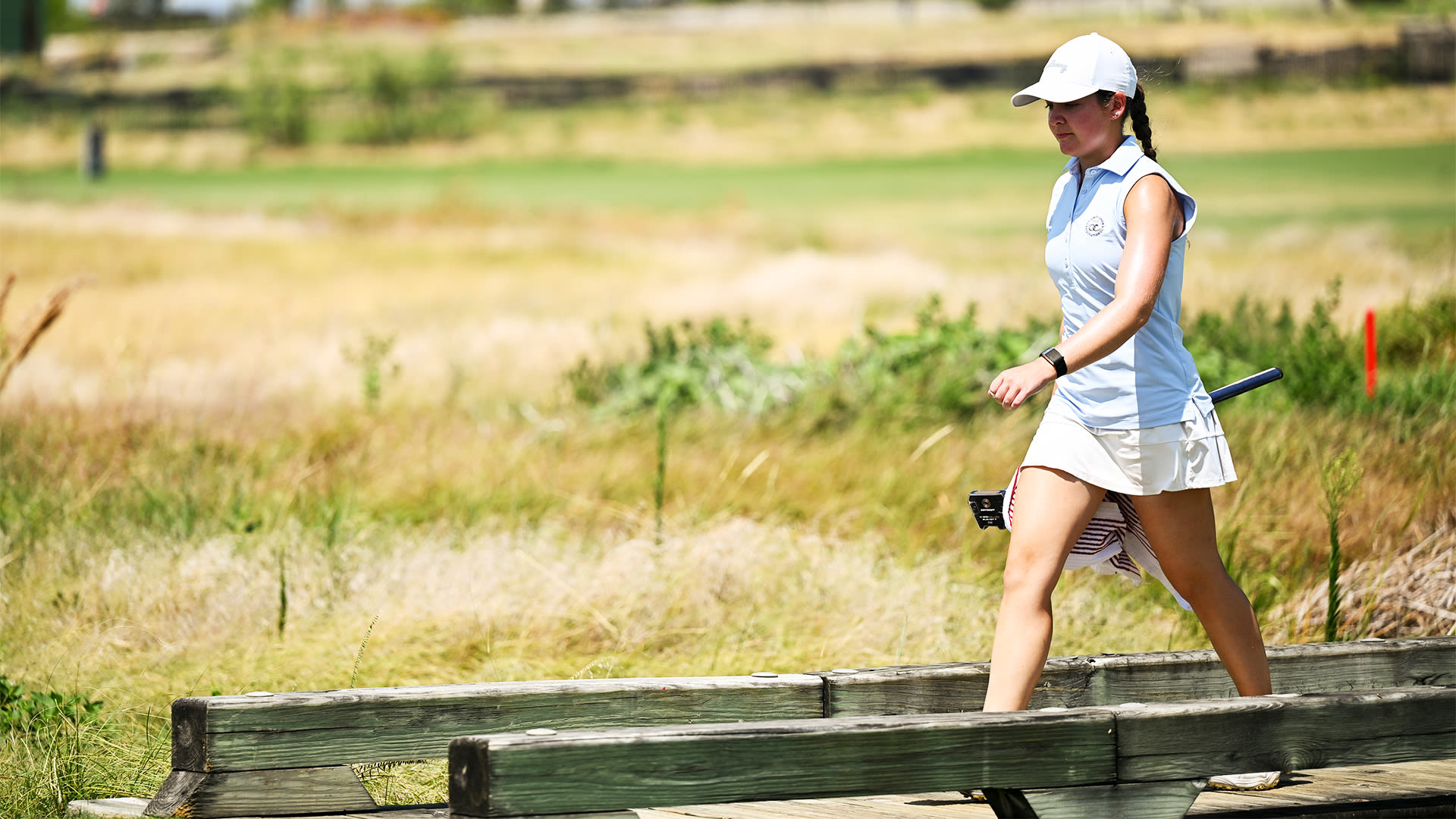
A common error when playing golf in the summer is attributing it to the swing when the body has run out of energy.
For many years I've seen this take place in Florida: when a golfer gets to the 13th or 14th hole, he loses a few yards and then begins to make adjustments. His practice swings become faster and his grip tightens.
Then I look at the cart. The water bottle is almost full, and the snack packed that morning is still buried in the golf bag.
The swing may need attention. Just not yet.
Give “Stay Hydrated” an Actual Plan
Telling a golfer to drink plenty of water is no different from telling him to "keep your head down"; it may seem like a useful piece of advice at first, but it doesn't work when you actually try to put it into practice.
A reasonable starting point is 16 to 24 ounces of fluid during the two hours before the round, followed by another 7 to 10 ounces about 10 to 20 minutes before teeing off. That does not mean standing on the first tee and chugging everything you forgot to drink at breakfast.
For moderate activity lasting less than two hours in hot conditions, NIOSH uses roughly 8 ounces every 15 to 20 minutes as a benchmark. Golf lasts much longer and is not continuous work. We walk, ride, wait and swing. Sweat rates also vary. Still, that guideline shows why one small bottle for 18 holes is not much of a plan.
I am not asking golfers to carry a measuring cup. Let the scorecard do the reminding:
- Drink on every tee, beginning at No. 1.
- Check what remains after Nos. 5, 9 and 14.
- Carry enough to finish if a water station is empty.
- Add a balanced electrolyte drink when sweating will last several hours.
If the first bottle is still nearly full at the turn, correct it gradually. Do not pour down a quart before the 10th tee and call the problem solved.
More is not always safer. NIOSH advises that intake generally should not exceed 48 ounces in an hour. Anyone with a medical condition or medication affecting fluid balance needs individualized guidance.
Eat Before the Tank Is Empty
It is common for golfers to put off eating until their hunger becomes very noticeable, at which point their energy and concentration might have already started to decline after a number of holes.
Start with a familiar pre-round meal that includes carbohydrates and some protein. During prolonged exercise, sports-nutrition guidance commonly calls for 30 to 60 grams of carbohydrate per hour. Golf is less continuous than running or cycling, so needs will differ. Someone riding may require less than a player walking in heavy heat.
What matters most is having food available and eating it early enough to help.
A simple plan:
- Something small around Nos. 4 or 5
- Another snack near the turn
- A final option for Nos. 13 or 14
A banana, pretzels, a fig bar, half a peanut butter sandwich, applesauce or a familiar sports bar can work. Choose food that is easy to carry and that you have eaten before.
I have seen the opposite approach plenty of times. A golfer arrives at No. 9 drained, orders the heaviest meal available and spends the next few holes feeling slower. The turn is not halftime. Most golfers have only a few minutes.
Light, familiar and steady usually wins.
Save Some Golf for the Golf Course
On a hot day, do not hit 40 extra balls because one driver curved.
Make a few slow turns in the shade. Hit five wedges, five mid-irons and three drivers. Roll enough putts to learn the speed. Then leave the practice area.
I tell players that a warm-up is an inventory. We are checking contact, curve and how the body feels. We are not rebuilding anything before breakfast has settled.
Sweat can also create a swing problem that is really an equipment problem. Carry a second glove, remove the active one between shots and dry your hands and grips. Golfers often squeeze harder when the handle feels slick. That tension can change the motion by itself.
Have a lower-effort iron shot ready. At practice, set a 20-yard target corridor and hit six balls with a 7-iron. Grip down half an inch, make a three-quarter backswing and swing at about 80%. Hold the finish until the ball lands. Put four of six inside the corridor.
Use one more club with that motion when your legs feel heavy or solid shots begin coming up short.
By the back nine, you may not have the same body you brought to the first tee. That is normal in summer. Drink before thirst takes over, eat before your energy disappears and keep one swing available that does not require everything you have left.