Golf Travel
  Leaderboards
  Become a Member
  Shop
Shop  Trade In
 quick coaching
What Everyday Golfers Can Learn From Aaron Rai’s PGA Championship Win
By Luke Olson, PGA
Published on
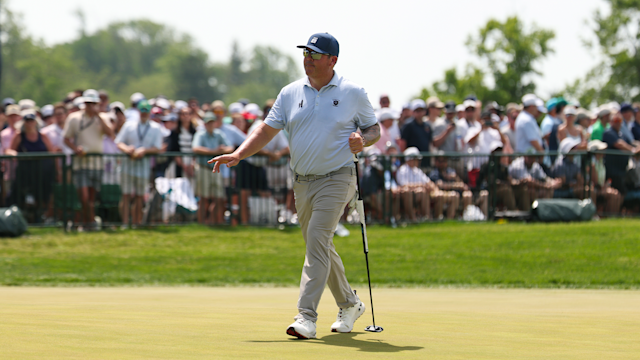
This was a major championship defined by unpredictability.
At Aronimink Golf Club, 30 players entered Sunday within five shots of the lead, creating a logjam with little separation.
The 108th PGA Championship — featuring a mix of stars and first-time major contenders — ultimately came down to who could limit mistakes under pressure.
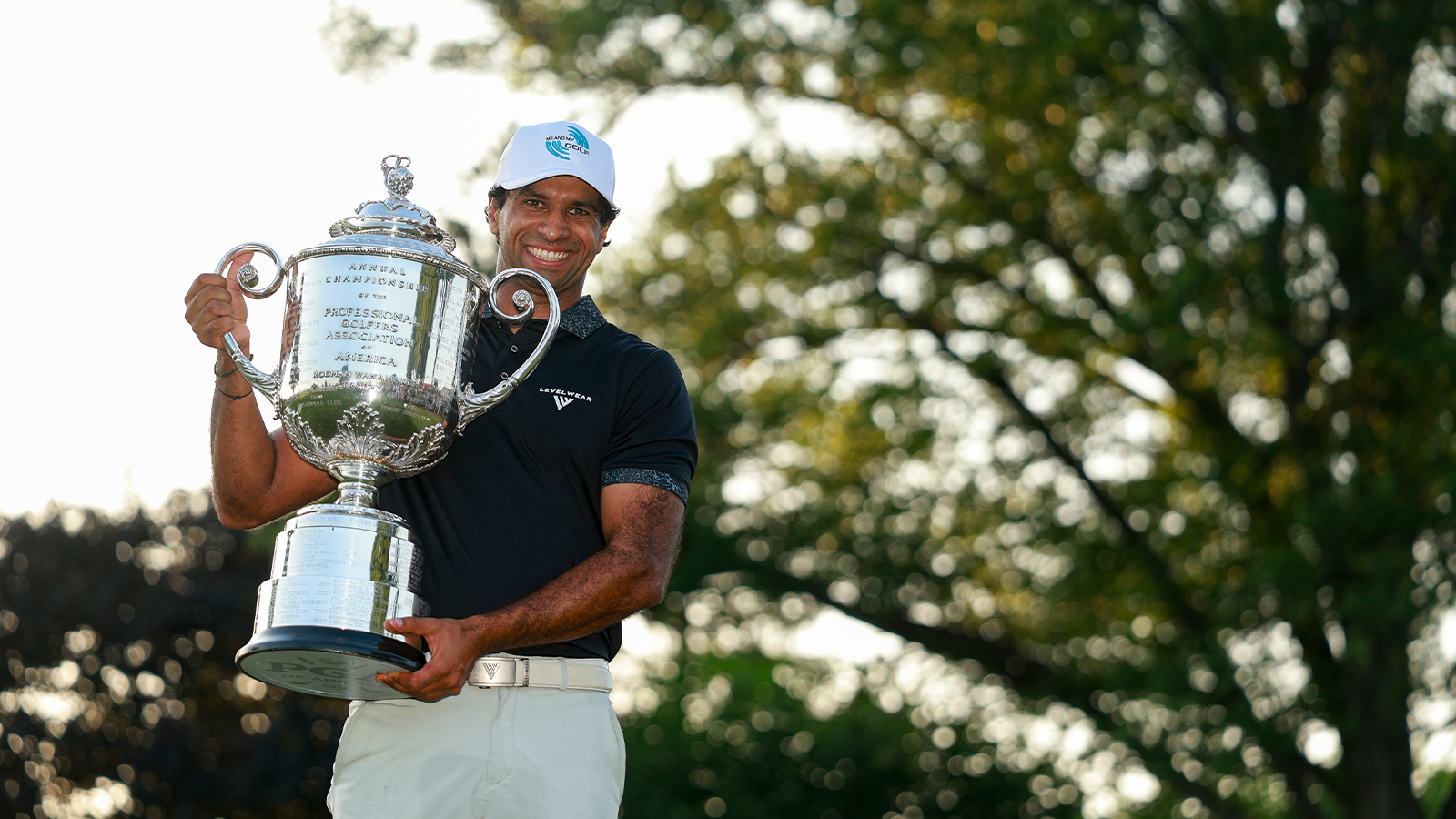
Aaron Rai (-9) did that, emerging as a first-time major winner by doing what Aronimink demanded most: staying disciplined, keeping the ball in play, and avoiding costly errors. He overcame three bogeys on the front nine, carded an eagle at No. 9, and closed with a bogey-free back nine that included four birdies.
A meticulous approach has long defined Rai’s game, even reflected in his signature two gloves.
Here are three lessons from the winner’s performance at Aronimink.
1. Distance Control on the Greens
The large greens and subtle slopes at Aronimink were a major talking point all week at the PGA Championship, making distance control — especially on longer putts — vital.
Rai produced one of the defining moments of his final round on the par-3 17th. Protecting a two-shot lead, he rolled in a 68-foot birdie putt that effectively secured his position heading to the final hole.
Rai had taken a conservative line off the tee, aiming for the right side of the green with a tucked pin on the left. The intent was a safe two-putt opportunity, but instead found the back of the cup.
Rai’s putting was steady all week, averaging 28.75 putts per round and ranking fifth in the field in strokes gained: putting (1.738).
For everyday golfers, putting is less about making birdies and more about putting yourself in position for an easy two-putt when needed.
1. Finding the right pace
Distance control matters more than perfect reads. The goal is to leave every first putt within a comfortable range. Before a round, spend time hitting long putts to calibrate speed. Every course plays differently.
Distance control matters more than perfect reads. The goal is to leave every first putt within a comfortable range. Before a round, spend time hitting long putts to calibrate speed. Every course plays differently.
2. Convert the short ones
Distance control is important, but so is capitalizing on makeable putts. Work on putts inside 15 feet with a variety of breaks to build confidence from different looks.
Distance control is important, but so is capitalizing on makeable putts. Work on putts inside 15 feet with a variety of breaks to build confidence from different looks.
2. Pick Smart Targets Off the Tee
Rai’s back nine on Sunday offered a glimpse at the kind of ball-striker he is. He consistently put himself into scoring opportunities.
He was one of the most accurate drivers on tour last season, a strength displayed this week at the PGA Championship, where he ranked fourth in driving accuracy (67.86%).
Rai separated himself on Sunday by staying disciplined and committed with his targets, and Aronimink rewarded him.
While most everyday golfers won’t match that level of driving precision, the process can be the same.
1. Take trouble out of play
Good target selection isn’t just about picking a line — it’s about removing danger. If there’s trouble on one side, factor it into your pre-shot decision.
Good target selection isn’t just about picking a line — it’s about removing danger. If there’s trouble on one side, factor it into your pre-shot decision.
2. Play to the widest part of the landing area
On tight or penal holes, choose the part of the fairway that gives you the most margin for error.
On tight or penal holes, choose the part of the fairway that gives you the most margin for error.
3. Trust your go-to ball flight
Forcing a shot shape that isn’t natural often leads to tentative swings. Under pressure, commit to your most reliable ball flight to hit the fairway.
Forcing a shot shape that isn’t natural often leads to tentative swings. Under pressure, commit to your most reliable ball flight to hit the fairway.
3. Avoid the Big Number
The defining theme all week at Aronimink has been that big numbers are more damaging than missed birdie opportunities.
Donald Ross’ design is not overly tight from tee to green, but missed fairways and greens have quickly turned into costly numbers when players have been unable to recover.
For everyday golfers, protecting against big numbers is essential. A par is a good score, and sometimes bogey is an acceptable outcome when trouble arises. Conservative targets and smart misses can be the difference in posting a decent round.
Rai made just one double bogey on his way to becoming a major champion, a reflection of how effectively he limited damage throughout the week.
Here are three ways everyday golfers can avoid big numbers:
1. Aim for the center of the green
When trouble is in play, prioritize the largest section of the green to eliminate short-siding and reduce the risk of big numbers.
When trouble is in play, prioritize the largest section of the green to eliminate short-siding and reduce the risk of big numbers.
2. Accept bogey early
Too often, amateurs try to salvage par from difficult positions, leading to further damage. Playing for bogey when needed is often the smartest decision.
Too often, amateurs try to salvage par from difficult positions, leading to further damage. Playing for bogey when needed is often the smartest decision.
3. Club down when control is off
If the driver isn’t cooperating, don’t force it. Use a fairway wood or hybrid to keep the ball in play. The swing can be fixed later on the range, not mid-round.
If the driver isn’t cooperating, don’t force it. Use a fairway wood or hybrid to keep the ball in play. The swing can be fixed later on the range, not mid-round.