Golf Travel
  Leaderboards
  Become a Member
  Shop
Shop  Trade In
 quick coaching
How to Putt Better: 3 Tips Inspired by Viktor Hovland
By Brendon Elliott, PGA
Published on
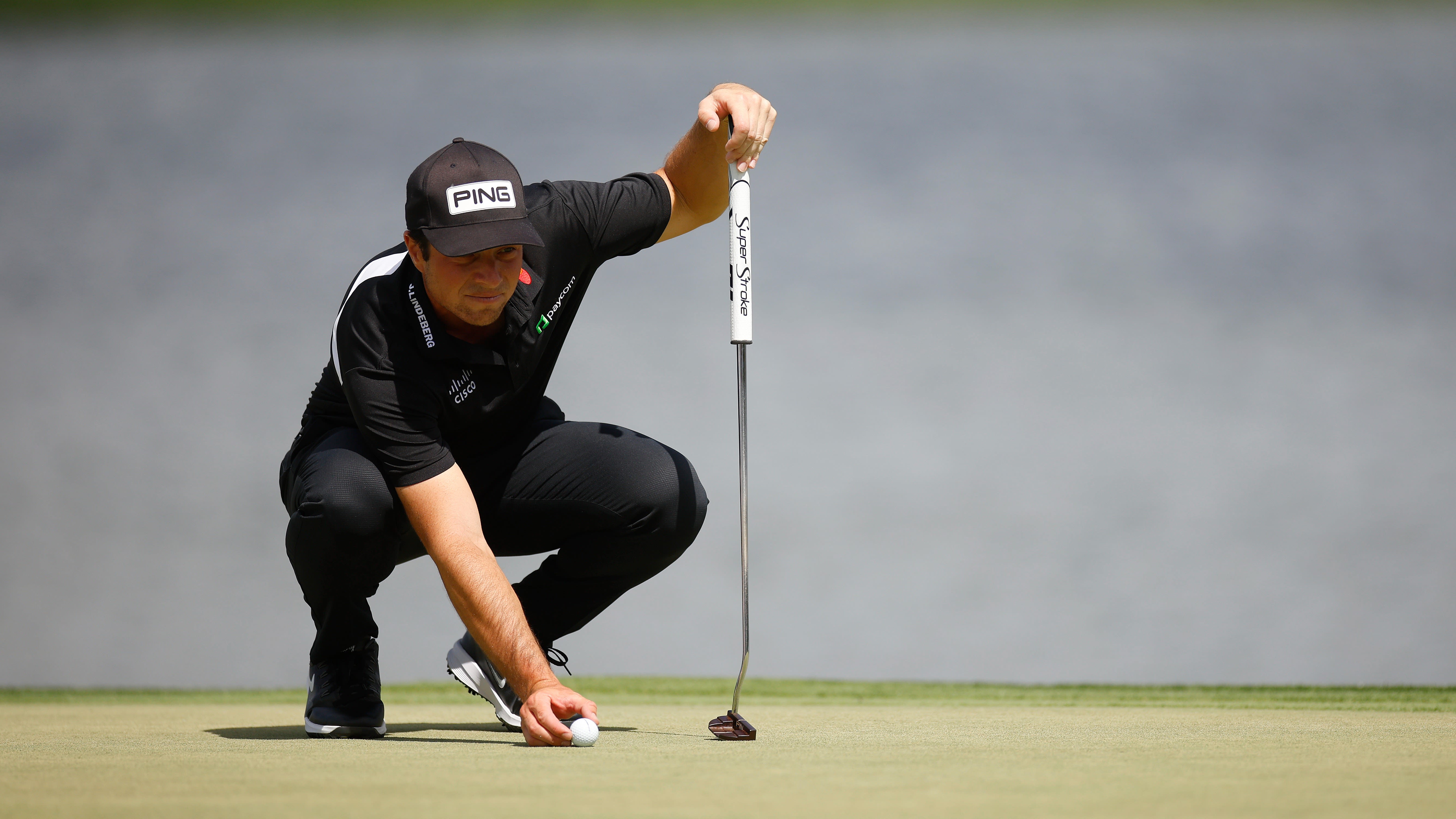
Viktor Hovland already owned good memories at East Lake before arriving for the 2026 TOUR Championship. He won the FedExCup there in 2023.
Through the first two rounds this time, his putter helped place him in position to do it again.
Hovland opened with a 6-under 64 while making 141 feet, 3 inches of putts, more than anyone else in the field. He followed with a 66 to reach 10 under and share the 36-hole lead with Ryan Gerard. The most revealing number was 4.691 strokes gained putting, best in the field. Hovland entered the week ranked 64th on the PGA TOUR for the season in that category.
That contrast gives everyday golfers a useful place to begin.
Check Contact Before Rebuilding Your Stroke
Putting statistics tell us what happened. They do not tell us exactly what Hovland changed or felt, so it would be wrong to credit a specific mechanical adjustment without hearing it from him.
His performance does give us a reason to examine something every putter needs: solid contact. You do not need a launch monitor or a coach standing beside you to measure it.
When golfers miss two or three putts, I often see them start changing everything at once. They adjust the read, move the ball, alter the path and try a different pace. The next stroke has very little chance because the golfer is standing over the ball with four new instructions.
Before changing your stroke, find out where the ball is meeting the face. A strike toward the heel or toe can affect both the speed and starting direction. The putt may look like a bad read when the first problem was contact.
At address, begin with two simple checks:
- Let the putter rest naturally on the ground instead of forcing the toe or heel upward.
- Place the center of the ball opposite the center mark on your putter.
Build a Gate on the Putter Face
Those checks are easy to see, but you still need feedback at impact. Two rubber bands can provide it immediately. With players I coach, this is one of the first checks I make before changing the motion.
This exercise works best on a straight putt of about 5 feet. You need your putter, one ball and two medium rubber bands. If the shape of your putter will not hold the bands securely, removable impact tape for a putter face is a good substitute.
- Wrap one rubber band around the heel section of the putter and the other around the toe section. Leave a space between them slightly wider than a golf ball. The center of that space should match the center mark on the putter.
- Set the putter on the ground and place the ball opposite the middle of the opening. Make your normal stroke at a pace you would use to hole the putt.
- A centered strike will send the ball cleanly through the gap. If the ball catches either rubber band, it will deflect and tell you which side of the face you used.
- Hit 10 putts and record the contact. Your first goal is eight clean strikes out of 10.
- If the ball hits the same rubber band three or more times, reset your setup. Check how far you are standing from the ball and whether the ball is opposite the center mark. Do not start steering the putter toward the gap.
Once you reach eight clean strikes, remove the bands and hit five more putts from the same spot. Use your full routine and notice whether the ball starts with a cleaner roll. Then move to a different location instead of repeating the same putt until you memorize it.
Know What to Practice Next
The score from this drill tells you what to practice next. If you produce eight or more centered strikes, contact probably is not the first issue to address that day. Move on to green reading, start direction or speed control. If you produce five or six, stay with contact before adding another putting thought.
Use the test before a round, but leave the rubber bands on the practice green. On the course, center the ball against the putter’s alignment mark, make one rehearsal and roll the putt. If contact begins to feel different, make a note and check it after the round instead of rebuilding the stroke on the fourth green.
The statistics do not prove Hovland found the center of the face more often than usual. Only direct impact tracking could tell us that. His 4.691 strokes gained putting does give golfers a good reason to examine their own contact. Ten minutes with two rubber bands will tell you more about your next step than 30 frustrated putts and three guesses.
PGA of America Golf Professional Brendon Elliott is an award-winning coach and golf writer. Read his recent “The Starter” on R.org and his stories on Athlon Sports. To stay updated on his latest work, sign up for his newsletter and visit OneMoreRollGolf.com.