Golf Travel
  Leaderboards
  Become a Member
  Shop
Shop  Trade In
 quick coaching
Wyndham Clark’s Most Coachable U.S. Open Moments
By Brendon Elliott, PGA
Published on
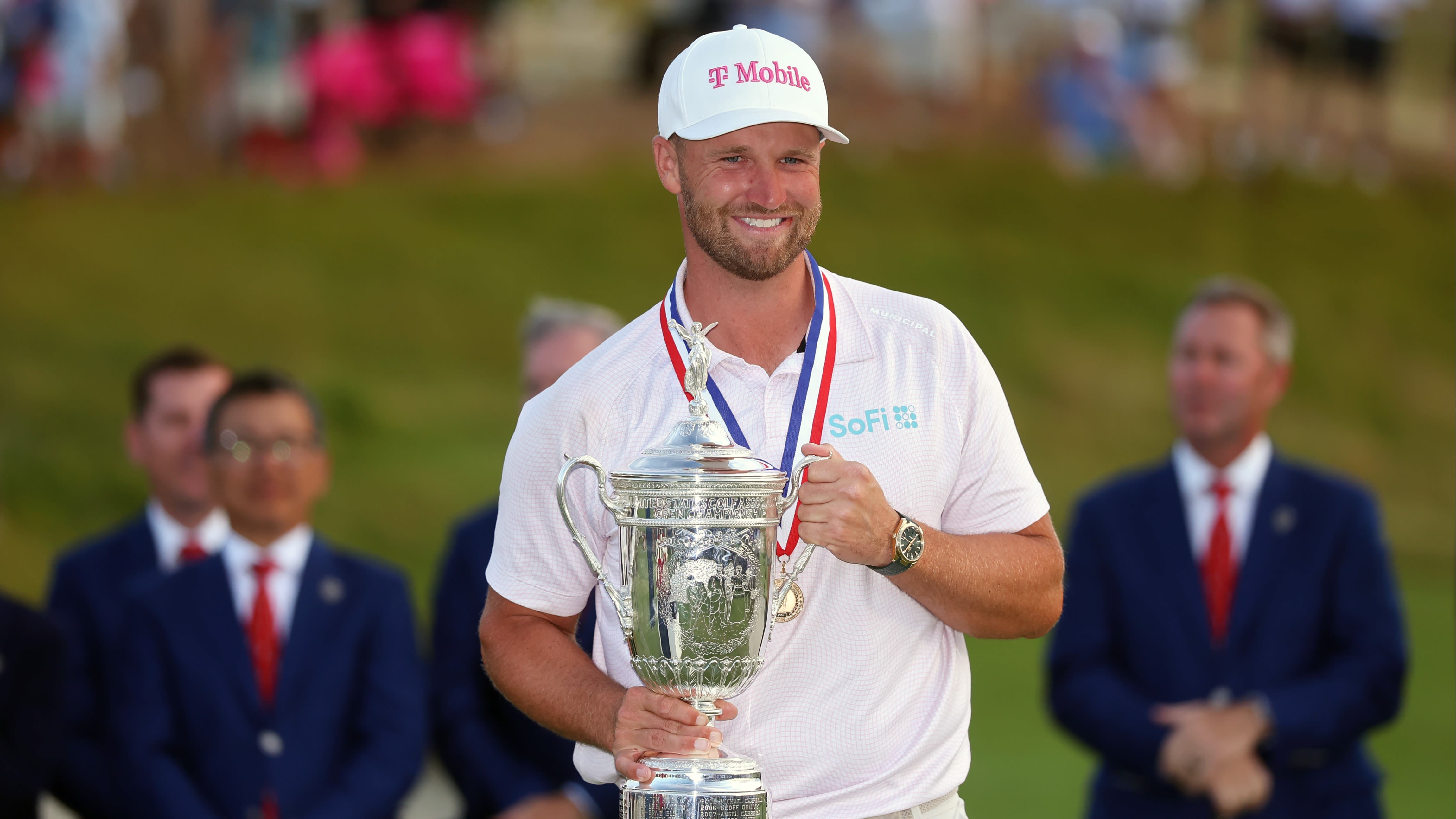
The U.S. Open has a way of showing golfers what really matters.
Yes, you need to hit quality shots. But you also need patience, smart strategy, a reliable short game and the ability to handle pressure when the round starts to feel uncomfortable.
Wyndham Clark’s U.S. Open win gave everyday golfers plenty to learn from.
He did not win because every shot was perfect. He won because he kept responding. He managed mistakes. He leaned on his short game. He controlled speed on the greens. He stayed in the fight when the round could have gotten away from him.
That is the kind of golf average players can learn from.
Here are a few coachable moments from Clark’s U.S. Open win and how you can use them in your own game.
Lesson 1: You Can Score Without Your Best Swing
This is one of the most important lessons in golf.
Many amateur players think a good score requires a great swing day. It does not.
Clark showed that you can still compete, still score and still finish strong even when the round gets messy.
What To Do
When you do not have your best swing, simplify everything.
- Pick bigger targets
- Swing at 80 percent
- Take one more club when needed
- Avoid short-sided misses
- Stop trying to fix your swing mid-round
Your job during a round is to score, not rebuild your golf swing.
How It Helps
When golfers start searching for a swing fix on the course, they usually make things worse. A simple plan gives you something to trust until the round is over.
Here’s Your Drill
- Play a practice round where every full swing is made at 80 percent speed.
- Do not worry about distance. Focus on balance, contact and keeping the ball in play.
- After the round, ask yourself how many penalty shots or big misses you avoided. That is the point of the drill.
Lesson 2: Short Game Is Your Emergency Brake
Clark’s short game was a huge part of his U.S. Open win.
When a golf course is difficult, nobody hits every fairway and green. The players who survive are the ones who can miss a shot and still keep the scorecard under control.
For everyday golfers, this is one of the fastest ways to improve.
What To Do
Start measuring your short game by how often you leave yourself a makeable next putt. Not every chip has to finish tap-in distance. But it should finish somewhere you have a realistic chance to save the hole.
How It Helps
A good short game lowers stress. If you know you can get the ball on the green and close, you do not panic as much when you miss. That confidence also helps your full swing because you stop feeling like every approach shot has to be perfect.
Here’s Your Drill
Drop 10 balls around a practice green:
- Three from light rough
- Three from tight lies
- Two from uphill lies
- Two from downhill lies
Your goal is to get each ball inside six feet. Keep score. If you get 6 out of 10 inside the circle, that is solid. If you get 8 out of 10, you are building a real scoring weapon.
Lesson 3: Lag Putting Wins Quietly
One of Clark’s biggest strengths was his ability to control speed on long putts.
That may not be the flashiest part of golf, but it is one of the most important. Three-putts are round killers. They are also avoidable with better speed control.
What To Do
On long putts, make the target bigger. Instead of trying to make a 45-footer, picture a three-foot circle around the hole. Your goal is to roll the ball into that circle.
How It Helps
This changes your mindset. You stop trying to be perfect and start trying to be smart. Good lag putting takes pressure off your second putt and keeps momentum from slipping away.
Here’s Your Drill
Set up putts from 30, 40 and 50 feet. Putt three balls from each distance. Give yourself:
- 2 points for finishing inside three feet
- 1 point for finishing inside six feet
- 0 points for anything outside six feet
Try to score at least 12 points out of 18.
Lesson 4: Make The Next Shot Smaller
This is where Clark’s win was so coachable.
Golfers often let one mistake become a story. A bad drive becomes frustration. Frustration becomes a rushed approach. The rushed approach becomes a poor chip. Suddenly one mistake has turned into three.
Clark did a great job of staying in the shot in front of him.
What To Do
After a bad shot, give yourself a simple reset:
- Take one deep breath.
- Walk to the next shot without replaying the mistake.
- Ask, “What is the smartest play from here?”
- Commit to that shot.
That is it.
How It Helps
This keeps your brain from dragging the last swing into the next one. It also helps you make better decisions because you are responding to the situation instead of reacting emotionally.
During your next round, keep a “response score.”
Anytime you hit a bad shot, grade your next decision:
- Good response
- Average response
- Poor response
Do not grade the result. Grade the decision. The goal is to build better habits after mistakes.
Lesson 5: Finish With A Routine You Trust
Pressure makes golfers speed up.
Clark’s ability to finish came from having a process he could return to. That is something every golfer needs.
What To Do
Build a simple pre-shot routine:
- Pick the target
- Choose the club
- Make one rehearsal swing
- Take one breath
- Step in and go
Do not make it complicated. Make it repeatable.
How It Helps
A routine gives your mind something useful to focus on when nerves show up.
Here’s Your Drill
- On the range, hit 15 balls using your full routine before every shot.
- Do not rake and fire. Step back each time. Pick a target. Go through the process.
- You are practicing focus, not just swing mechanics.
The Takeaway
Wyndham Clark’s U.S. Open win gave everyday golfers a practical blueprint.
You can score without your best swing.
You can save shots with short game.
You can avoid big numbers with smarter decisions.
You can handle pressure with a repeatable routine.
That is not just U.S. Open golf. That is good golf. And it is something you can start working on today.